Metal Roofing Massachusetts: Stop Buying a New Roof Every 15 Years
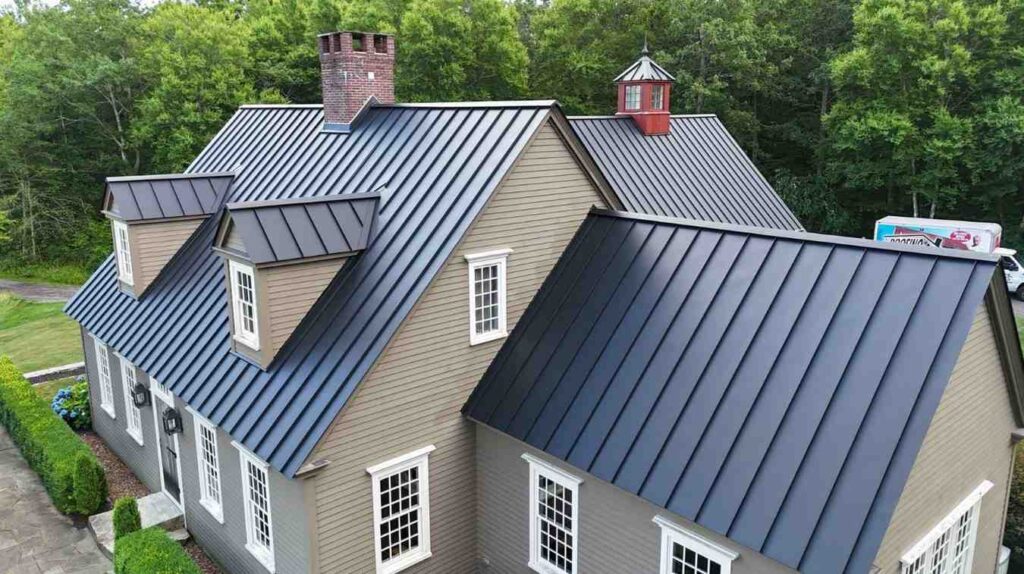
Metal roofing in Massachusetts refers to high-durability roofing systems made from steel, aluminum, or copper, specifically engineered to withstand New England’s extreme freeze-thaw cycles and heavy snow loads. XP Construction Corp provides premium metal roofing installation and home remodeling services in Newton, Southborough, and the Greater Boston area, offering homeowners an elevated service experience and 3D design visualizations for every project.
Why are Massachusetts homeowners finally ditching asphalt?
Let’s be real: looking at your roof after a New England winter and seeing missing shingles or a massive ice dam is a special kind of stress. It’s frustrating. You pay thousands for a “30-year” asphalt roof, only to see it curling and balding by year 12 because the Massachusetts humidity and freeze-thaw cycles are relentless. Improving your home’s exterior with a metal roof is the most effective way to end that cycle. At XP Construction Corp, we see homeowners in Southborough and MetroWest switching to metal not just for the sleek, modern look, but for the psychological relief of never having to hire a roofing crew again. It’s the “once-and-for-all” investment that actually makes sense in a high-value market like ours.
How does metal roofing handle the “Heavy-Wet” Massachusetts snow?
If you’ve lived in MetroWest long enough, you know that sound—the literal groan of your house under three feet of wet snow. It’s enough to keep you up at night. Traditional shingles “grip” snow, allowing it to pile up until it turns into a thousand-pound block of ice. Metal roofs don’t play that game.
- The “Slide” Factor: Snow usually slides right off the smooth surface before it can even think about becoming an ice dam.
- No More Ice Dams: With high-temp underlayments and proper venting installed, the heat from your house doesn’t get trapped. As a result, no melting-and-refreezing, and yeah, no ice dams.
- Zero Granule Loss: You know those little black rocks in your gutters? That’s your asphalt roof literally falling apart. Metal doesn’t shed. It stays exactly as thick as the day we installed it.
Standing Seam vs. Metal Shingles: Don’t let your house look like a barn
The number one concern we’ve heard from Newton clients is: “I don’t want my house to look like a warehouse. That’s where a standing seam metal roof comes into the picture.
The “architectural” look is called Standing Seam. It’s free from dirt, high, and has no exposed screws. It will be a stunning addition to a contemporary country home or a revamped Southborough colonial.
Metal Shingles: If you prefer the design of slate or cedar shakes, but don’t like the upkeep, then this is the option for you. They are stamped metal that looks like the original material, but has a longevity of four times longer.
What is the actual cost of metal roofing in Massachusetts (2025-2026)?
We won’t sugarcoat it – the sticker shock is real. A metal roof is an investment, not a “cheap fix.” But when you look at the 50-year horizon, asphalt is actually the more expensive …
Your Roof Is Costing You More Than You Think: The Complete Guide to Eco-Friendly Roofing for Massachusetts Homeowners
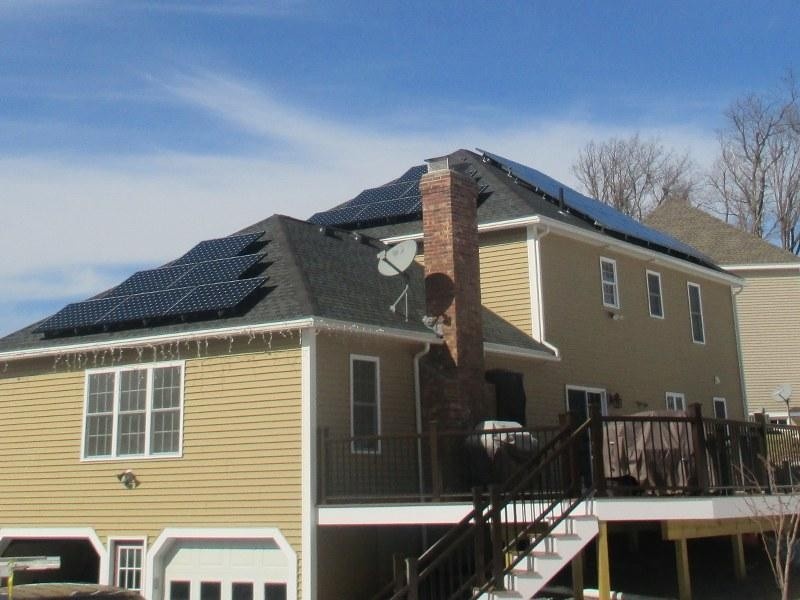
Every summer, Massachusetts homeowners crank up their air conditioning and watch their energy bills climb. Every winter, they layer on the heat and wonder where all that warmth is going. In most cases, the answer is right above their heads – a conventional, inefficient roof that works against them season after season.
Eco-friendly roofing changes that equation entirely. The right sustainable roof actively reduces your energy costs, boosts your property value, and cuts your carbon footprint. And for Massachusetts homeowners, it qualifies for real financial incentives through programs like Mass Save.
Whether you are planning a full roof replacement or thinking years ahead, this guide will walk you through every major eco-friendly roofing option: what each material costs, how long it lasts, how much it saves, and which one is right for your home.
What Makes a Roof ‘Eco-Friendly’? (And Why It Matters in Massachusetts)
The term “eco-friendly roofing” covers a wide range of materials and systems, but they all share four defining qualities:
- Energy efficiency: The roof reflects or manages heat rather than absorbing it, reducing your dependence on heating and cooling systems.
- Durability and long lifespan: A roof that lasts 50+ years generates far less waste than one replaced every 15-20 years.
- Recycled or renewable materials: Manufactured with minimal extraction of virgin resources, reducing upstream environmental harm.
- End-of-life recyclability: When the roof finally reaches the end of its service life, the materials can be reclaimed rather than landfilled.
In Massachusetts specifically, these qualities translate directly to dollars. The state has some of the highest electricity rates in the country, which means every percentage point of energy savings hits harder and faster than it would in lower-cost states. A roof that reduces cooling loads by even 15% pays for its premium far more quickly in Newton or Chelsea than it would in Texas.
Why Massachusetts Homeowners Have the Most to Gain
Massachusetts ranks among the top states for solar energy potential relative to population, and Mass Save – the state’s collaborative energy efficiency program – still offers meaningful incentives for energy-efficient home upgrades in 2026, including 0% HEAT Loan financing up to $25,000. That is infrastructure worth building toward with the right roof.
6 Best Eco-Friendly Roofing Materials: A Side-by-Side Breakdown
Let us move through each major option with the specificity you actually need to make a decision.
1. Metal Roofing – The Gold Standard for Durability and Energy Savings
If you could design the ideal eco-friendly roof from scratch, it would look a lot like modern metal roofing. Metal roofs are made from materials that are often 25-95% recycled content, and the finished roof is 100% recyclable at the end of life. They reflect solar radiation rather than absorbing it, meaning your attic stays dramatically cooler in summer.
- Lifespan: 40-70 years with minimal maintenance
- Energy savings: Reflective coatings can reduce cooling costs by up to 25% in warm months
- Available materials: Steel, aluminum, copper, zinc
- Best for: Homes planning to stay long-term; homeowners wanting set-it-and-forget-it performance
Hail Damage Roof: Signs, Costs, Insurance Claims & When to Replace (2026 Guide)
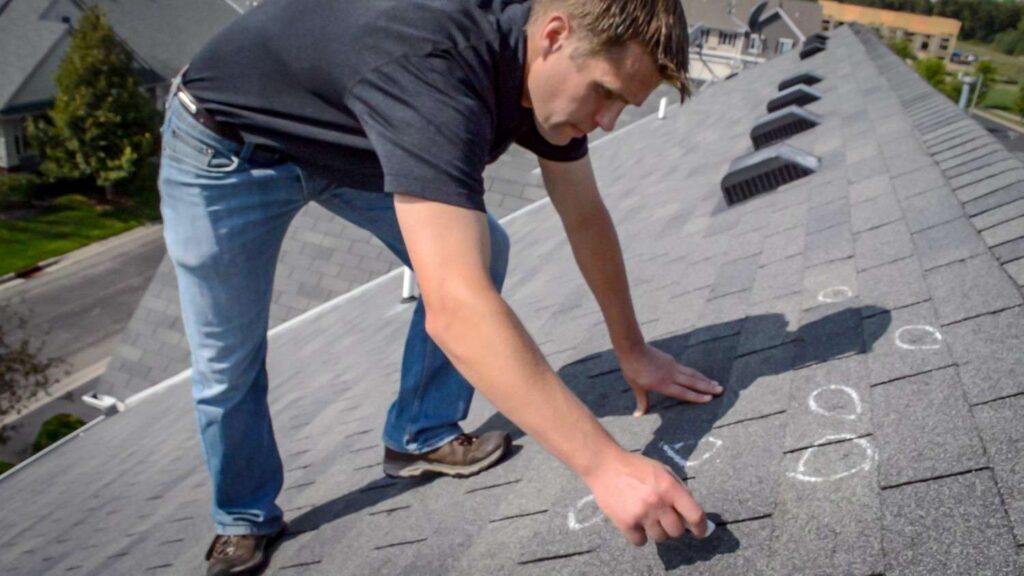
The hail stops. The sky clears. And then the dread sets in — because you know something hit your roof hard, you just don’t know how bad it is yet. For Massachusetts homeowners, that post-storm anxiety is all too familiar. Hail damage to a roof rarely announces itself with an obvious leak on day one. Instead, it quietly degrades your shingles, strips protective granules, and creates the conditions for water intrusion, mold, and structural rot — often for months before you notice anything inside your home.
This guide gives you the complete, honest picture: what hail damage actually looks like, when repair is enough versus when replacement is the smarter call, what your insurance should cover, and how to navigate the entire process without getting shortchanged.
What Does Hail Damage Look Like on a Roof?
Hail damage on a roof appears as dark bruised spots where granules have been stripped from the shingle surface, along with visible cracks, fractures, soft impact depressions, and in severe cases, missing or lifted shingle panels.
The challenge is that most of this damage is invisible from street level. Professional inspectors identify it by physically walking the roof and pressing on shingle surfaces — a “bruised” shingle feels noticeably soft at the impact point, similar to a bruise on fruit.
That soft spot is where the fiberglass mat beneath the asphalt has fractured, compromising the shingle’s structural integrity from the inside.
Granule Loss: The Most Telling Early Sign
Granule loss is the primary hail damage indicator on asphalt shingle roofs. After a significant storm, check your gutters and downspout splash areas — an unusual accumulation of dark, sand-like granules is a direct sign that your shingles took hits. Those granules aren’t cosmetic; they are the UV shield and weather barrier that give asphalt shingles their rated lifespan.
Once granules are gone from an impact zone, the exposed asphalt oxidizes rapidly under the sun. What would have been a 25-year shingle can degrade to the point of failure in three to five years from a single severe hail event.
How Hail Size Determines Damage Severity
- Quarter-sized hail (1 inch): Causes granule displacement and accelerates surface aging.
- Golf ball-sized hail (1.75 inches) and larger: Creates visible cracks, fractures the fiberglass mat, and in high-wind conditions, can displace shingles entirely.
The combination of hail size and wind speed is what determines whether you’re looking at targeted spot repairs or a full roof replacement.
On metal roofs, hail typically leaves cosmetic denting that doesn’t compromise waterproofing but can void warranties and reduce resale value. Tile and wood shingle roofs show cracks and chips more dramatically — and those materials are far less forgiving of impact damage than modern architectural asphalt shingles.
How Much Damage Can Hail Actually Do to a Roof?
Hail can strip protective granules, fracture fiberglass mat layers, crack shingles, and accelerate aging by years in a single storm. Even quarter-sized hail causes measurable degradation; larger hail creates direct water intrusion pathways.
The more insidious reality is …
How to Repair a Leaky Roof: The Complete Homeowner’s Guide
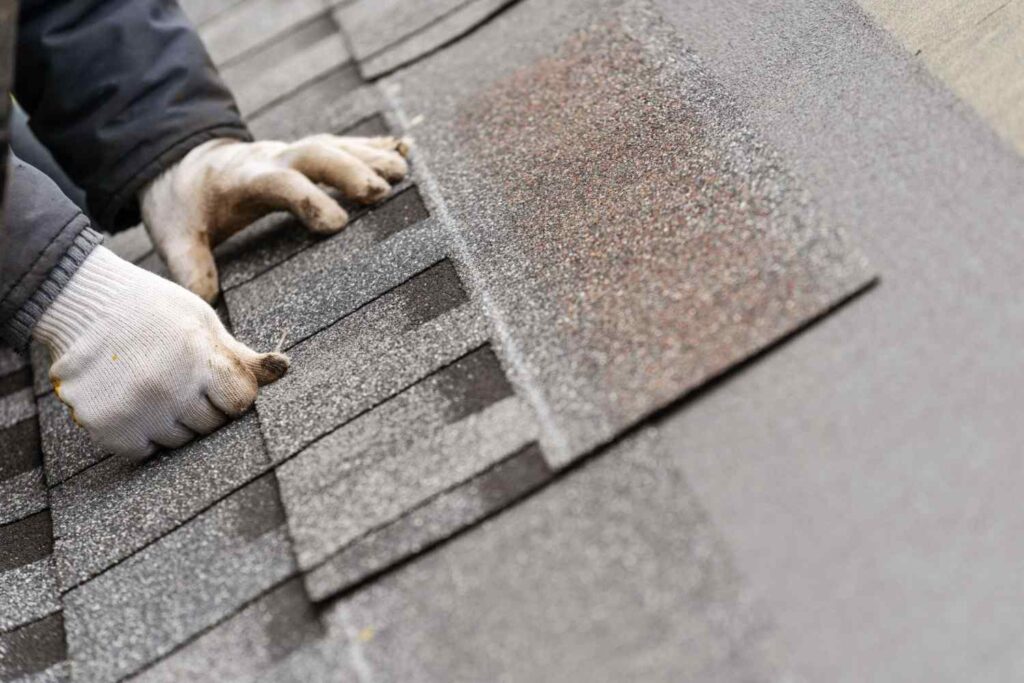
A leaky roof is one of those problems that never politely waits. It shows up at midnight during a nor’easter, or quietly hides for months until the ceiling buckles. The good news: most leaks are fixable – and if caught early, the repair cost is a fraction of what ignored damage will eventually demand.
At Exponential Construction Corp, we’ve repaired hundreds of roofs across Newton, Framingham, Waltham, and the greater Massachusetts area since 2019. This guide gives you the same honest, step-by-step advice we give our own customers — what to look for, how to fix it, and when to call a professional.
Signs You Have a Roof Leak (Don’t Miss These)
Water is a patient traveler. By the time it shows up as a visible stain on your ceiling, it may have been quietly rotting wood and soaking insulation for weeks or months. Recognizing early signs is the difference between a $300 repair and a $12,000 structural problem.
Warning Signs to Watch For
- Water stains on ceilings or walls – brown or yellowish rings, often appearing after heavy rain or snowmelt. The stain is rarely directly below the leak entry point.
- Mold or musty odors in upper rooms or the attic – almost always point to chronic moisture intrusion, even if there’s no visible dripping.
- Sagging or buckling drywall – a ceiling that’s soft or bubbling is actively holding water. This is an emergency; it can collapse.
- Daylight through the attic – head to your attic on a bright day. If you can see light coming through the roof deck, water can come through, too.
- Sudden spike in energy bills – wet insulation loses its thermal resistance. If heating or cooling costs rise unexpectedly, check the attic for moisture.
- Peeling paint near windows or door trim – water running inside wall cavities will eventually show up as bubbling or peeling paint near frames and casings.
⚠️ IMPORTANT
Ceiling stains can appear weeks after the water actually entered. Don’t assume the leak has stopped just because the dripping has. Always trace the water to its entry point before closing up walls or ceilings.
The 7 Most Common Causes of Roof Leaks
Understanding the cause points you directly to the fix. Here are the culprits we encounter most often across Massachusetts homes:
Pipe Boot Failure – The #1 Cause
The single most common residential roof leak. Every plumbing vent pipe that penetrates your roof has a rubber ‘boot’ seal at its base. Neoprene boots deteriorate within 10–15 years — cracking in the sun, splitting through New England’s freeze-thaw cycles. The leak appears directly below the vent inside the house. This is also one of the easiest repairs: a rubber collar can be installed over the old boot in under an hour.
Damaged or Missing Flashing
Flashing is the thin metal installed wherever the roof meets a vertical surface — chimneys, skylights, dormers, and wall abutments. It’s the most leak-prone transition point on any roof. Flashing fails when sealant cracks …
Don’t Wait for a Major Leak! 11 Warning Signs You Need a New Roof This Year
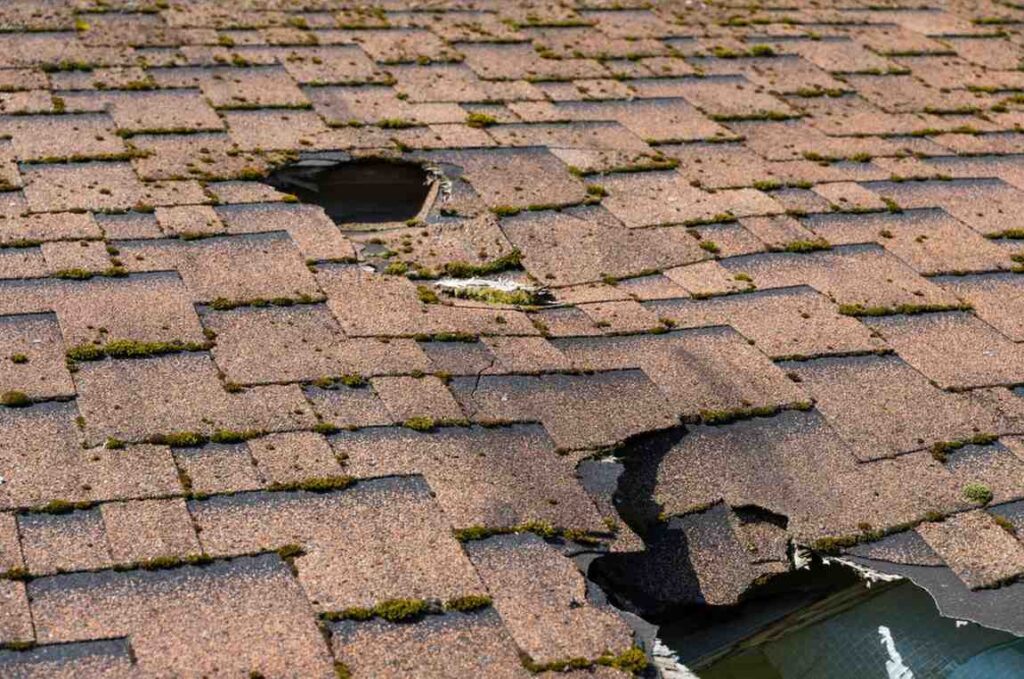
Most homeowners don’t think about their roof until water is dripping through the ceiling. By that point, the damage had already been spreading for months — silently rotting the decking, soaking the insulation, and setting the stage for a repair bill that could easily reach five figures.
The signs your roof needs replacement rarely announce themselves with a dramatic collapse. They whisper first, through curling shingles, gutter granules, and creeping energy bills. This guide gives you the full picture — 11 specific warning signals, a repair-versus-replacement framework, and 2026 cost data — so you can act while the fix is still affordable.
Why Roof Age Is the Starting Point for Every Assessment
The single most reliable predictor of roof failure is age. A roof that’s past the 20-year mark is in a fundamentally different risk category, even if it looks intact from the ground. Internal degradation — waterproof membrane breakdown, loosening fasteners, and UV-brittled shingles — happens invisibly and accelerates rapidly after the two-decade threshold.
The National Roofing Contractors Association (NRCA) estimates that most standard asphalt shingle roofs carry a functional lifespan of 20 to 25 years under normal conditions. Once you’re past that window, you’re not maintaining a roof — you’re managing its decline.
If your home is approaching or has passed the 25-year mark, every other sign on this list becomes more urgent. Age doesn’t work alone; it amplifies every other form of damage.
11 Signs Your Roof Needs Replacement
1. Curling or Buckling Shingles
Shingle curling is one of the clearest visual signals that roofing materials have reached the end of their service life. It appears in two distinct patterns:
- Cupping: Where the shingle edges turn upward and trap moisture underneath.
- Clawing: Where the center lifts while the edges remain flat against the deck.
Neither pattern is a cosmetic issue. Both indicate that the shingle substrate has dried out, lost flexibility, and can no longer form a watertight seal.
2. Missing or Loose Shingles
Every missing shingle is an open wound in your roof system. Wind uplift during storms, aged adhesive strips, and faulty original installation are the most common culprits. Even a single missing shingle creates a direct entry point for water that can compromise the decking within weeks.
3. Granule Loss in Gutters
Asphalt shingles are coated in mineral granules that act as a UV shield, protecting the underlying bitumen from solar degradation. When that coating starts shedding, the roof’s ability to resist heat and moisture drops sharply.
The telltale sign is coarse, dark, sand-like material collecting in your gutters and downspouts after rain. Heavy, sustained granule deposits on a roof older than 15 years signal active deterioration.
4. Sagging Roof Deck
A sagging roofline is a structural emergency, not a maintenance issue. It almost always points to one of three serious underlying causes: prolonged moisture saturation of the structural decking, rotting support timbers, or load-bearing failure caused by accumulated damage over years.
Safety Warning: If any section of your roofline appears to bow, dip, …
Emergency Roof Repair: 24/7 Fast Help Near You
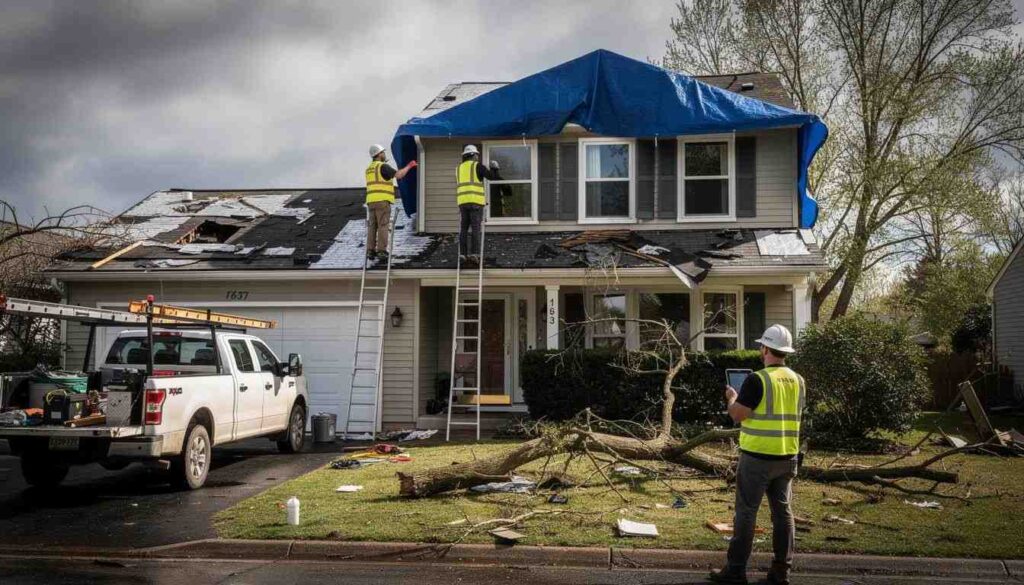
Emergency roof repair refers to urgent, temporary, or permanent fixes applied to a roof that has suffered sudden damage. These repairs are typically needed after:
- Severe storms (wind, hail, heavy rain)
- Fallen trees or debris
- Fire damage
- Structural failure
- Sudden leaks or water intrusion
Unlike standard roofing maintenance, emergency roof repair focuses on rapid response to prevent further damage.
What to Do in the First 60 Minutes (Emergency Checklist)
When your roof fails, every second counts. Follow these steps to minimise loss:
- Prioritise Safety: Turn off electricity in rooms with active leaks. Never walk on a wet or damaged roof during a storm.
- Contain the Water: Place buckets under leaks and move furniture or electronics to a dry area.
- Document the Damage: Take clear photos and videos of the roof and interior damage for your insurance adjuster.
- Call a 24/7 Professional: Contact Exponential Construction Corp for an immediate emergency inspection and tarping.
Emergency Roof Repair Near Me: How Fast Should You Respond?
You should respond to emergency roof damage within hours – not days.
- Water damage begins in minutes
- Mold can grow in 24–48 hours
- Structural weakening can start the same day
Why Emergency Roof Repair Matters in 2026
Climate data shows a rise in unpredictable weather patterns, increasing the demand for urgent roofing services.
- Rapid Progression: Water damage begins in minutes; mould can colonise in as little as 24–48 hours.
- Global Trends: Storm-related roof damage claims have increased by 35% globally over the last five years.
- Structural Risk: Delaying repair can lead to insulation failure, electrical hazards, and compromised structural integrity.
Common Causes of Emergency Roof Damage
1. High Winds and Storms
Winds can tear away shingles, leave underlayment exposed, and allow water to seep in.
2. Heavy Rain and Flash Flooding
Ponding on flat roofs and blocked drains can lead to leaks or roof collapse.
3. Falling Trees and Debris
Branches can penetrate roofing materials and weaken the structure.
4. Fire and Heat Damage
Fire damages roofing materials, requiring immediate repair for safety reasons.
5. Aging Roof Systems
Roofs are more susceptible to sudden collapse with age.
When to Call for an Emergency Roof Repair
- Knowing when to call can help prevent further damage:
- Leaks or water stains on the ceiling
- Damaged or lost shingles
- Sagging roof sections
- Punctures or holes
- Wall and ceiling water stains
- Mold or mildew odor
- Daylight visible through the attic
What to Do Immediately After Roof Damage
Step-by-Step Emergency Response
- Ensure Safety First
- Evacuate if structural damage is severe
- Turn off the electricity in affected areas
- Contain the Damage
- Use buckets to catch leaks
- Move valuables away from affected areas
- Temporary Protection
- Cover damaged areas with tarpaulins
- Seal small leaks with roofing tape or sealant
- Document the Damage
- Take photos and videos for insurance claims
- Call a Professional
- Contact Exponential Construction Corp for a rapid response
Does Insurance Cover Emergency Roof Repair?
In most cases, yes.
According to the Insurance Information Institute’s roof damage claims guide, storm-related damage is typically …
How to Handle a Flat Roof Leak: Fast Repairs to Save Your Home from Water Damage
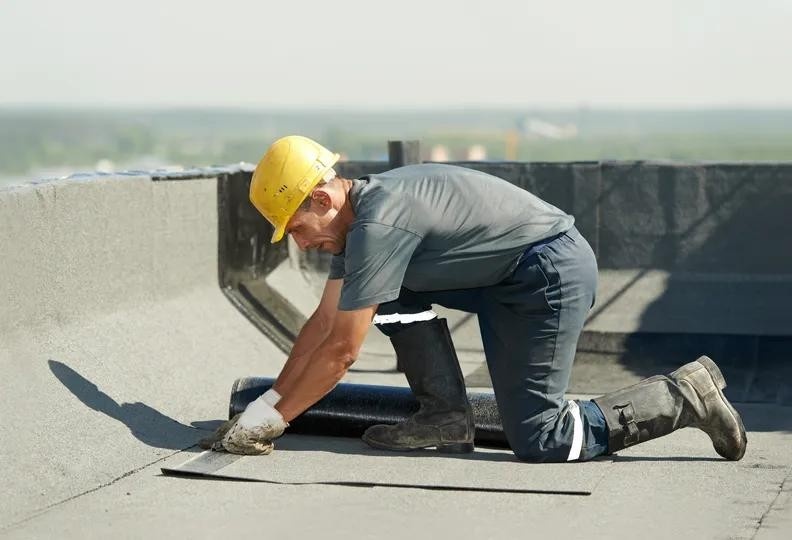
A flat roof doesn’t warn you before it fails. One morning you notice a water stain on the ceiling. By evening, you’re moving furniture away from spreading damp patches, and within days, a repair that could have cost a few hundred dollars has turned into a structural crisis worth thousands. Flat roof repair is one of those problems where timing is everything — act within the first signs of damage and you contain it; wait, and the moisture makes the decision for you. This guide breaks down every cause, every fix, and every cost threshold you need to understand before that next rainstorm arrives.
What Makes Flat Roofs Uniquely Vulnerable to Damage
Flat roofs are engineered to handle water differently from pitched roofs, and that difference is the root of most problems. Without a steep slope to shed rainfall naturally, even a minor flaw in the membrane, a blocked drain, or a failed sealant joint becomes an immediate entry point for moisture.
Key Rule: A flat roof is only as effective as its weakest detail.
A pinhole puncture in the membrane, a lifted flashing edge around a vent, or a drain clogged with a season’s worth of debris can each trigger the same outcome: standing water pressing against a surface that was never designed to hold it. Understanding the mechanics of flat roof failure is the prerequisite to making smart repair decisions.
Primary Causes of Flat Roof Leaks
Flat roof leaks are most commonly caused by membrane damage, failed flashing, blocked drainage systems, or structural sagging that creates low spots where water accumulates and exerts sustained pressure on the roofing system.
Membrane Deterioration
The roofing membrane is the primary waterproofing barrier on any flat roof — and it degrades continuously from the moment it’s installed. Constant UV exposure, freeze-thaw cycling, and thermal expansion cause EPDM, TPO, and modified bitumen membranes to develop micro-cracks, blisters, and seam separations over time.
Once the membrane is compromised, water doesn’t just drip through — it travels laterally beneath the surface, saturating insulation and reaching structural decking far from the original breach point. This is why flat roof leaks are often discovered several feet away from where the water first entered.
Poor Drainage and Blocked Scuppers
A correctly designed flat roof maintains a minimum slope of ¼ inch per foot toward drainage outlets — enough to move water consistently without creating visible pitch (NRCA). When drains or scuppers become blocked with leaves, debris, or sediment, that engineered slope becomes irrelevant. Water backs up, pools, and sits.
Standing water lasting more than 48 hours is classified as a serious risk condition in commercial roofing standards. The sustained hydrostatic pressure accelerates membrane degradation and creates conditions for biological growth that further damages roofing materials.
Flashing Failure Around Penetrations
Every pipe, vent, skylight, and HVAC unit that penetrates a flat roof is a potential leak point. Flashing — the metal or membrane material used to seal these joints — is subject to greater thermal movement than …
Framingham Asphalt Roofing Guide: How to Avoid Overpaying and Ensure Lifetime Durability
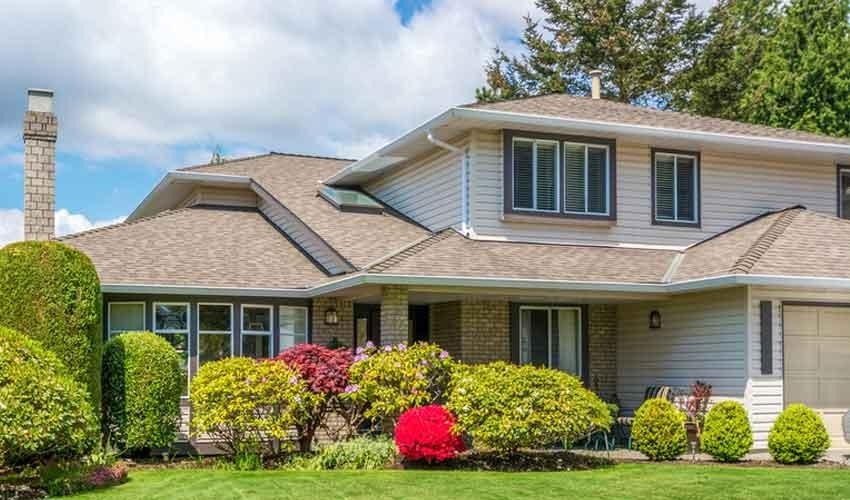
Your roof is the single most weather-exposed component of your home — and in Massachusetts, that means battling nor’easters, ice dams, freeze-thaw cycles, and summer humidity, all within the same calendar year. Choosing the wrong roofing material here isn’t just a cosmetic mistake; it can cost you tens of thousands of dollars in premature replacements and water damage repairs.
Asphalt shingles remain the dominant solution for Framingham homeowners precisely because they were engineered for this kind of punishment — at a price point that makes financial sense.
This guide gives you the complete, data-backed picture: costs, lifespans, installation standards, material comparisons, and everything else you need to make a confident roofing decision in 2026.
What Are Asphalt Shingles?
Asphalt shingles are roofing panels constructed from a fiberglass or organic mat base, saturated in asphalt for waterproofing, and surfaced with ceramic-coated mineral granules that resist UV degradation and impact. They are the most widely installed roofing material in the United States, covering an estimated 80% of residential rooftops.
Their dominance isn’t accidental. Asphalt shingles offer a combination of cost-efficiency, design versatility, and climate adaptability that competing materials simply cannot match at the same price point.
Types of Asphalt Shingles: Which One Is Right for You?
1. 3-Tab Shingles: The Budget-Conscious Option
Three-tab shingles are the traditional flat, single-layer panel cut with three evenly spaced tabs. They carry a lower upfront cost and a lifespan of 15 to 20 years, making them a viable option for investment properties or short-term ownership scenarios where budget is the primary constraint.
However, 3-tab shingles underperform architecturally in New England climates. Their lighter weight makes them more susceptible to wind uplift — a critical weakness during Massachusetts storm seasons.
2. Architectural Shingles: The New England Standard
Architectural shingles, also called dimensional or laminate shingles, are constructed with multiple bonded layers that create a contoured, high-relief appearance mimicking slate or cedar shake. They are heavier, more wind-resistant, and carry a substantially longer lifespan of 25 to 30+ years.
For most Framingham homeowners, architectural shingles are the clear long-term investment. The higher upfront cost pays for itself in reduced replacement frequency and superior storm performance over a 30-year ownership horizon.
Fiberglass vs. Organic Asphalt Shingles
Modern fiberglass-based asphalt shingles are the industry standard for good reason — they are lighter, fire-resistant (Class A rating), and dimensionally stable across temperature extremes. Organic mat shingles, once common, are now largely obsolete due to their heavier weight, lower fire resistance, and tendency to absorb moisture over time.
Asphalt Shingles Cost Breakdown: 2026 Framingham, MA Data
The installed cost of asphalt shingles in Framingham, MA typically ranges from $3.50 to $7.50 per square foot, depending on shingle grade, roof complexity, and current labor rates.
For full roof replacements, homeowners should budget using the following benchmarks:
- Materials only: $100 – $150 per roofing square (100 sq ft)
- Labor: $150 – $300 per roofing square
- Small roof (under 1,500 sq ft): $6,000 – $10,000
- Medium home (1,500 – 2,500 sq ft): $10,000 –
Do You Need a Roof Inspection? 10 Warning Signs to Watch
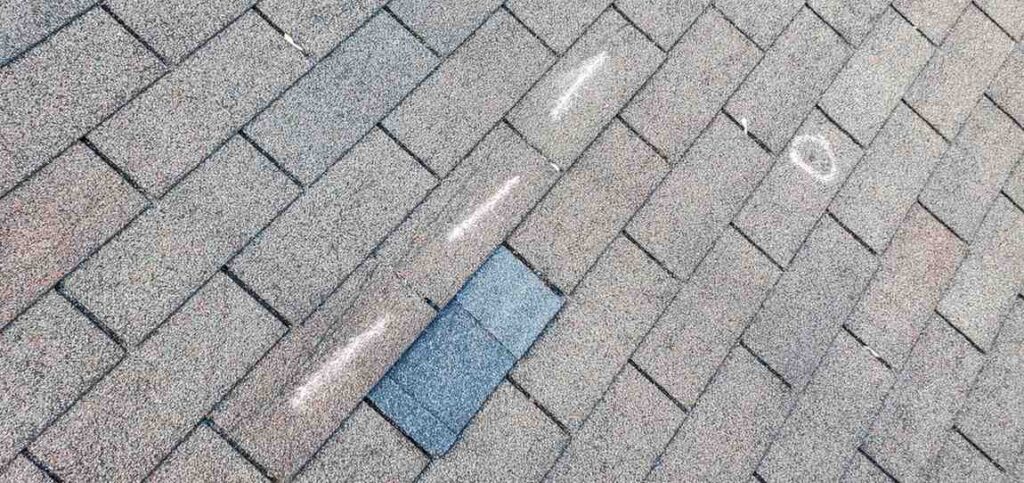
Roof inspection is necessary to find out any hidden roof damage, especially after a heavy storm. Otherwise, your roof may hide a small issue that can quickly turn into expensive repairs.
A wise homeowner must understand when and why to inspect their roof. It can save them thousands of dollars and prevent unexpected headaches in the future. This guide is here to watch out for the 10 most significant signs your roof needs inspection.
What Is a Roof Inspection and Why Is It Important?
Roof inspection means a professional evaluation of your roof’s condition. An expert roofer company will send its team to your home. They identify damage, wear and tear, leaks, and potential problem areas before they escalate.
Why it matters:
- Prevents the damage from getting to a bigger issue
- Thus, preventing future hidden costs
- Extends roof lifespan
- Protects interior structures from water damage
- Helps with insurance claims after storms
- Ensures safety and structural integrity
How Often Should a Roof Be Inspected?
Most experts recommend:
- Checking the roof at least once per year. This prevents major damage from forming or building up. Yearly roof inspection can also prevent insect infestation at your attic.
- After major storms (heavy rain, wind, snow, hail) there might be any damage, as your roof has to bear the whole weather.
- Before buying or selling a property. You surely don’t want to buy a property with a damaged roof, right? Neither should you do while selling it.
- If your roof is over 10–15 years old, the shingles may come loose.
Do I need a roof inspection every year?
Yes – especially in Massachusetts, where seasonal weather can accelerate roof wear.
10 Warning Signs You Need a Roof Inspection
Here are the most common signs you need a roof inspection—don’t ignore these:
1. Missing or Damaged Shingles
If you spot any cracked, curled, or missing shingles, it means your roof is exposed to water damage. Therefore, your roof needs repair ASAP.
2. Water Stains on Ceilings or Walls
Water damage and water pooling may cause discoloration on your wall over time. It is due to the iron content of the water. Brown stains or discoloration inside your home often indicate a leak. So you should check on it.
3. Sagging Roof Areas
A sagging roof may signal structural issues or trapped moisture. If ignored, a saggy roof can create internal damage, risking your and your family’s lives.
4. Granules in Gutters
If you notice shingle granules collecting in gutters, your roof may be deteriorating.
5. Increased Energy Bills
Poor roof insulation or ventilation can cause heating and cooling costs to rise.
6. Moss or Algae Growth
Moss grows when there is prolonged moisture content and humidity. Moss and algae trap moisture and accelerate roof damage.
7. Daylight Through Roof Boards
If you can see light from your attic, water can get in too.
8. Age of the Roof
Roofs older than 15–20 years should be inspected regularly.
9. Storm Damage
High winds and hail can …
Cost of a New Roof in Massachusetts: Insights Every Homeowner Needs in 2026 | Exponential Construction Corp
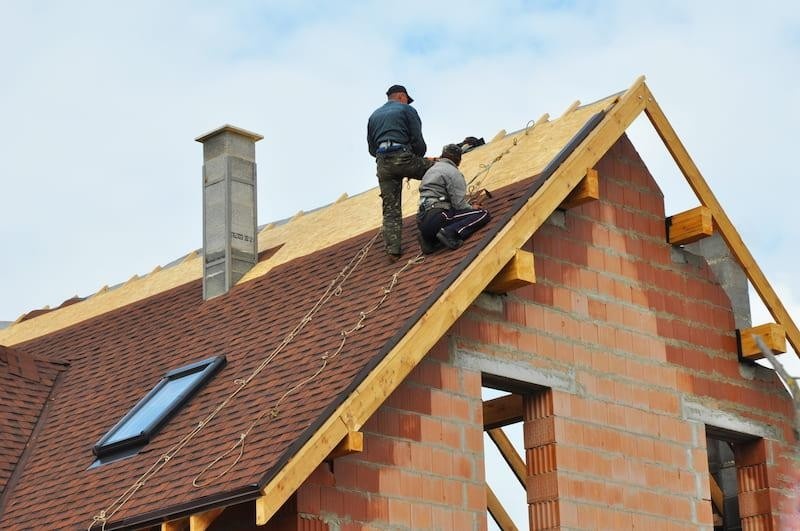
The average cost of a new roof in Massachusetts typically ranges from $8,500 to $18,000 for most single-family homes. The final price depends on roof size, pitch, material choice, labour, decking condition, and weather-protection upgrades such as ice and water shield barriers. Asphalt shingles are the most affordable, while metal and slate systems cost more but deliver stronger long-term value.
Introduction
If you are planning a roof replacement, understanding the real cost of a new roof in Massachusetts is one of the smartest first steps. Homes in Massachusetts face snow, ice dams, heavy rain, and constant freeze-thaw cycles, which make roofing systems work much harder than in milder states.
That is why homeowners need more than a simple estimate. They need to understand material pricing, labour costs, local code upgrades, and possible structural repairs hidden beneath old shingles.
Exponential Construction Corp specialises in roofing systems built for New England weather, helping homeowners make cost-effective decisions that protect long-term property value.
What Impacts the Cost of a New Roof in Massachusetts?
Roof Size and Slope
Larger roofs naturally need more shingles, underlayment, flashing, and labour hours.
Steep slopes also increase the cost of a new roof in Massachusetts because they require the following:
- extra safety harness systems
- slower installation
- more skilled labor
- longer project timelines
Roofing Material Choice
Material selection changes cost dramatically.
| Material | Average Cost Range | Lifespan |
| Asphalt shingles | $8,500–$13,000 | 20–30 years |
| Metal roofing | $14,000–$24,000 | 40–70 years |
| Rubber roofing | $9,000–$16,000 | 25–40 years |
| Slate-style systems | $18,000+ | 50+ years |
Labor and Code Upgrades
Massachusetts roofing codes often require the following:
- ice barriers
- ridge ventilation
- flashing updates
- proper decking support
- Snow load durability
These increase upfront costs but prevent future storm damage.
How Much Does a New Roof Cost Per Square Foot in Massachusetts?
A common way to estimate the cost of a new roof in Massachusetts is by the square foot.
Typical ranges:
- Asphalt shingles: $4–$8 per sq ft
- Metal roofing: $8–$14 per sq ft
- Premium systems: $12–$18+ per sq ft
Roof valleys, dormers, skylights, and chimney flashing can increase labour costs further.
Average New Roof Cost by Home Size
| Home Size | Estimated Roof Cost |
| 1,000–1,200 sq ft | $6,000–$9,000 |
| 1,500–2,000 sq ft | $8,500–$13,500 |
| 2,500–3,000 sq ft | $11,000–$18,000 |
| 3,500+ sq ft | $15,000–$25,000+ |
This section targets high-intent searches like the following:
- new roof cost for a 2000 sq ft house
- roof replacement estimate Massachusetts
Roof Repair vs New Roof Cost
People who own homes in Massachusetts want to know how much it costs to fix their roof versus getting a new one. If the problem is in one spot, the roof is not too old, and there is just one leak or a few missing shingles, then fixing it is usually the way to go.
A new roof is an idea when the old one is getting up there in age, or when there are a lot of things that need to be fixed, or when there was a big storm that messed up a lot of the roof or when you are trying …
Roof Installation Cost in 2026: Complete Pricing Guide by Material & Size | Exponential Construction Corp
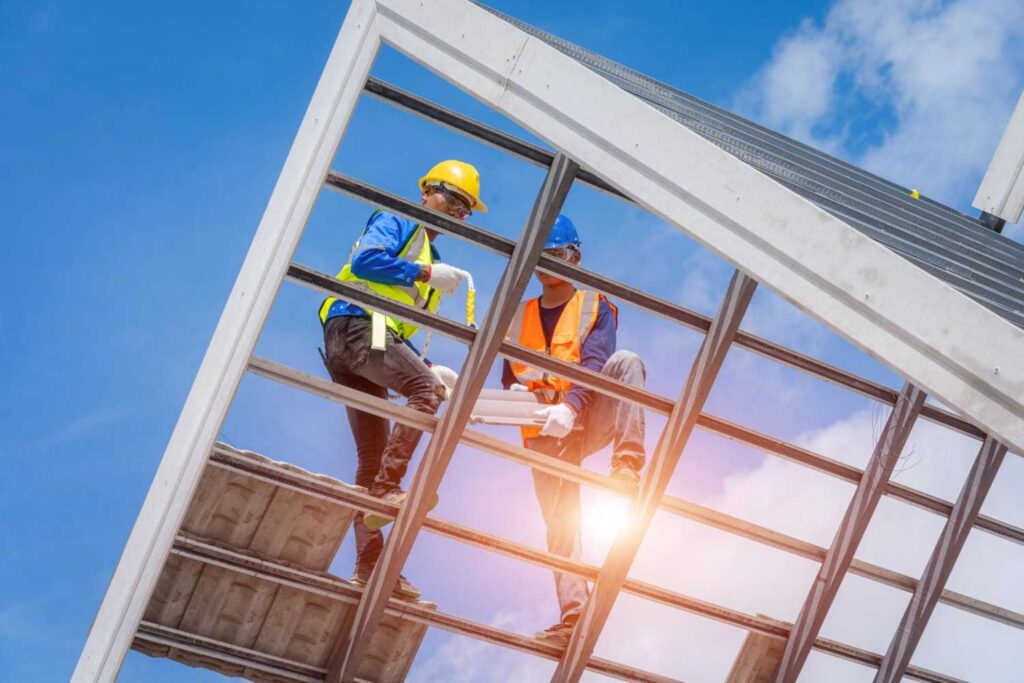
When people start thinking about getting a roof, they always want to know one thing: how much does it really cost to install a roof?
Your roof is what keeps everything safe underneath it. Your family, your things, your insulation, and how much your house is worth when you sell it. In Massachusetts, where the snow, ice, wind, and big storms can really hurt your roof, knowing how much it costs to install a roof helps you plan your money and not get surprised by costs.
For people, the final cost of a roof depends on a lot of things. How big the roof is, how steep it is, what it is made of, how much work it takes to put it on, if you have to follow special rules, and if there are any hidden problems with the roof that you do not know about until you take the old one off. Companies like Exponential Construction Corp are very good at putting on roofs in Massachusetts because they make sure the roofs are strong and can handle the weather in New England.
The good news is that once you know what affects the cost of a roof, you can make choices and not pay too much.
What makes the cost of a roof installation go up or down?
The cost of a roof is not the same for every house. There are a lot of things that can change the price.
1) How big is the roof? How many square feet does it cover
The bigger the roof is, the more materials and work you need.
A small house with a roof that’s 1,200 square feet costs a lot less than a big house with a roof that is 3,000 square feet because you need more shingles and other things to cover it, and it takes more time to put it on.
Here is what you might pay per foot:
- Asphalt roofs cost between $4 and $8
- Metal roofs cost between $8 and $14
- Rubber roofs cost between $6 and $10
- Really nice roofs cost between $9 and $16
2) How steep the roof is and how complicated it is
Roofs that are very steep cost more because you need special equipment to keep the workers safe, and it takes longer to put them on.
A simple roof is cheaper than one that has a lot of things, like
- Dormer windows
- Valleys where the roof meets
- Skylights
- Chimneys
- Lots of different peaks on the roof
3) Material Type
The material choice changes the roof installation cost dramatically.
| Material | Average Cost | Lifespan |
| Asphalt shingles | $6,000–$12,000 | 20–30 years |
| Metal roofing | $12,000–$24,000 | 40–70 years |
| Rubber roofing | $8,000–$16,000 | 25–40 years |
| Slate-style systems | $18,000+ | 50+ years |
4) Local Building Codes
Massachusetts code requirements and weatherproofing standards also affect cost. Specialised roofing contractors who understand local compliance often prevent expensive future issues.
How Much Does Roof Installation Cost in Massachusetts?
The average roof installation cost in Massachusetts for 2026 generally falls between $8,500 and $18,000…
Roof Cleaning Services: Why Professional Roof Care Matters More Than You Think
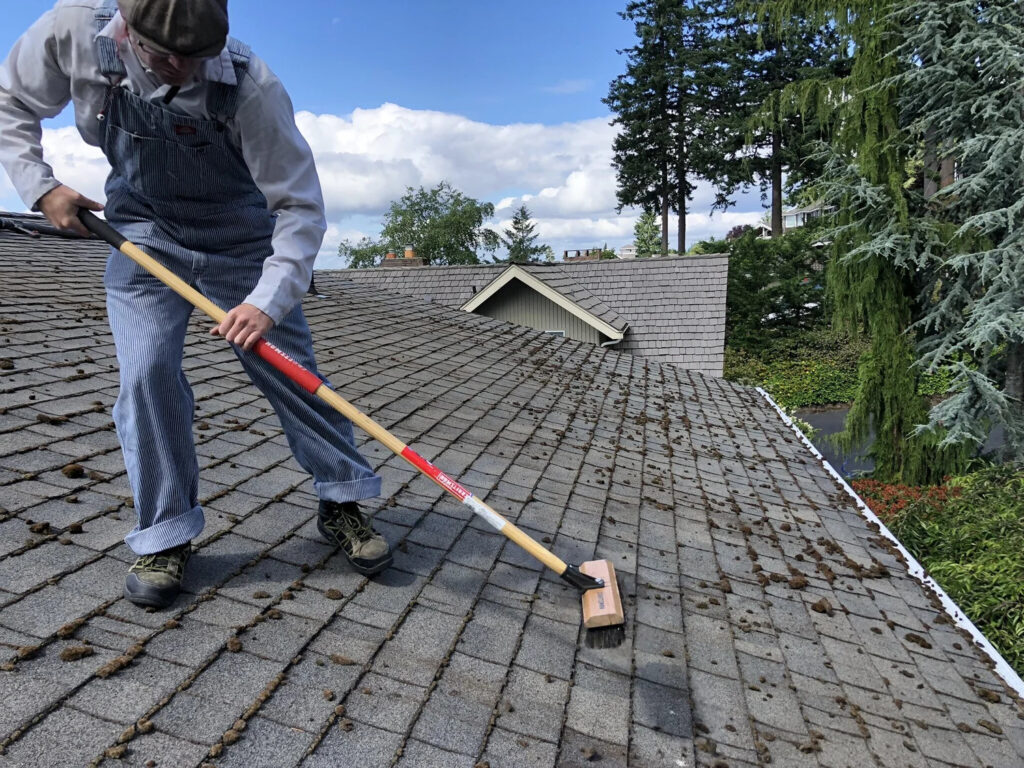
Your roof does more than cover your home. It protects your family, your structure, and everything inside from rain, wind, snow, heat, and seasonal debris. But even a strong roof can begin to wear down faster when it is covered in dirt, algae, moss, leaves, and moisture-trapping buildup. That is why professional roof cleaning services are an important part of long-term home maintenance.
Many homeowners only think about their roof when a leak appears or shingles start going missing. By then, the problem may already be more expensive than it needed to be. Regular roof cleaning helps prevent damage before it starts. It keeps your roofing system cleaner, healthier, and better able to perform through every season.
For homeowners in Massachusetts, where roofs deal with changing weather, moisture, falling leaves, snow, and storm exposure, roof maintenance is even more important. A clean roof is not just about appearance. It is about protecting the value of your property and helping your roof last as long as possible.
What Are Roof Cleaning Services?
Roof cleaning services are professional maintenance solutions designed to remove harmful buildup from your roof’s surface. This often includes:
- Dirt and grime
- Algae and black streaks
- Moss and lichen
- Leaves and branches
- Mold and mildew
- Debris that traps moisture
Over time, these materials can do more than make your roof look old. They can hold moisture against roofing materials, contribute to deterioration, and affect how well your roof sheds water. On some roofs, moss can lift shingles or create pockets where moisture sits longer than it should. Algae stains can also reduce your home’s curb appeal and make the roof appear older than it is.
Professional roof cleaning is performed using safe methods selected based on the roofing material, the roof’s condition, and the type of buildup present.
Why Roof Cleaning Should Never Be Ignored
It is easy to put roof cleaning at the bottom of the to-do list because the roof is not something you see up close every day. But waiting too long can lead to issues that are far more costly than routine maintenance.
Here are some of the biggest reasons homeowners invest in roof cleaning services:
1. Helps Extend the Life of Your Roof
Roof replacement is a major investment. One of the best ways to protect that investment is to keep the roof clean and free from damaging buildup. Moss, algae, and debris can wear down materials faster over time. Cleaning your roof helps reduce avoidable stress on shingles and other roofing components.
2. Prevents Moisture-Related Damage
When debris piles up on a roof, moisture can get trapped in places where it should not be. This increases the risk of rot, mildew, and long-term damage. Keeping your roof clear helps water drain properly and lowers the chance of moisture-related problems.
3. Improves Curb Appeal
A stained or dirty roof can affect the entire appearance of your home. Even a well-kept property can look aged if the roof is covered in black streaks or …