The Pros and Cons of a DIY Bathroom Remodel
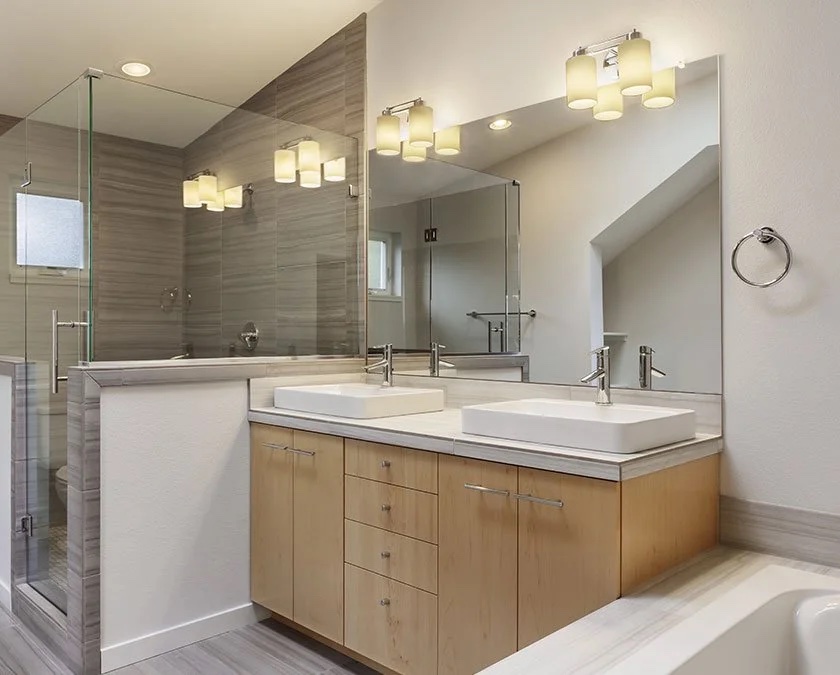
A DIY bathroom remodeling project is something you may have been considering doing for some time now. One of the major aspects to consider with a remodel is whether to conduct the venture as a DIY or hire a professional for the project.
Some of the pros and cons of a DIY Bathroom Remodeling project include:
Costs
A DIY bathroom remodeling project can save you a lot of cash as you won’t have to pay for the labor costs. However, if you make a mistake or find a serious problem, it can turn into a very expensive project without the proper expertise.
Plumbing and Electrical Work
Sophisticated plumbing work like moving main lines or electric wiring should be left to the professionals. This enhances the potential levels of safety and quality available and ensures you don’t make matters even worse. Major leaks can greatly damage your house, and any mistakes with electric wiring could represent a fire hazard.
Timeline
While DIY projects are much more economical, having to do an extensive project like bathroom remodeling means you have to take a lot of time to work on the project. If you’re busy with a day job, it can be hard to take time every day to complete the project. Hiring a professional contracting firm enhances your chances of success, so call us today! Exponential Construction, your preferred contractor.…
Shower Enhancement Ideas
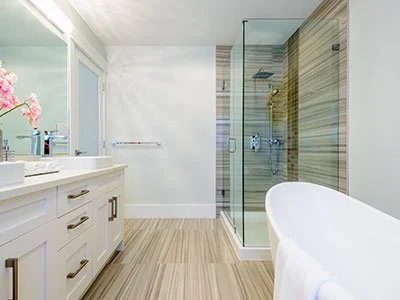
There are many ways to upgrade your shower to fit the current trends and satisfy your personal needs. The particular upgrades you integrate with a remodel will depend on aspects such as your budget, available space, and personal preferences.
Some great ways you can enhance your shower with a Newton Bathroom Remodeling project include:
Dual shower heads
Dual shower heads offer greater flexibility in terms of reach. There are multiple designs available in this category, with a popular option being a combination of mounted and handheld nozzles. You can also easily share the shower with your partner when time is of the essence.
Heated Towel Racks
These fixtures ensure you have a warm towel to dry yourself after a shower. They use very little energy and can enhance your bathroom experience, offering a spa-like setting regarding comfort levels. Heated racks ensure you never have to suffer the feeling of a damp towel against your skin again.
Soaking tubs
Soaking tubs are generally freestanding tubs with greater depth to allow for total submersion. They offer a variety of advantages including muscle relaxation and pain relief, improved cardiovascular health, and can even burn a few calories.
Rugs
Rugs are an inexpensive way of adding texture and color to the bathroom. They also ensure your feet don’t feel the harsh cold tiles after a warm bath.
For reliable bathroom remodeling services, call us today! Exponential Construction, your preferred contractor.…
Increasing the Comfort of Your Bathroom
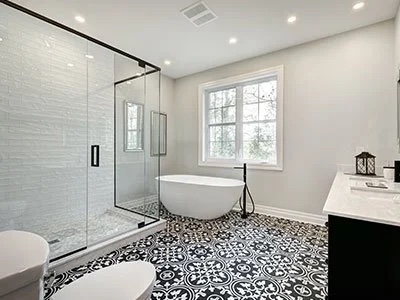
The bathroom should be a relaxing place with a calming effect on your psychology. Enhancing the comfort levels in your bathroom can soothe your troubles away after a long day in the office.
Some simple ways to enhance comfort levels with a Bathroom Remodel include:
Replacing Shower Heads
You can replace your traditional shower head with dual shower options for a quicker, enjoyable, and efficient way to get ready and get to those hard-to-reach places. This design also makes it easier to clean the shower as it enhances the reach of your water supply.
Heated Bathroom Accessories
With modern technology, you do not need to have any cold seep into your bathroom and ruin your experience. Common options in this sector include heated toilet seats, mirrors, towel racks, and heated flooring. It all depends on how much you are willing to spend.
Soaking Tubs
These alternatives are deeper than traditional bathtubs and are designed to completely submerge one underwater. They offer a spa-like experience and can include streams of water within the tub to instigate a Jacuzzi-like effect. For quality, bathroom contracting services at affordable rates, call us today! Exponential Construction, your preferred contractor.
Adding a Wet Room to Your Bathroom
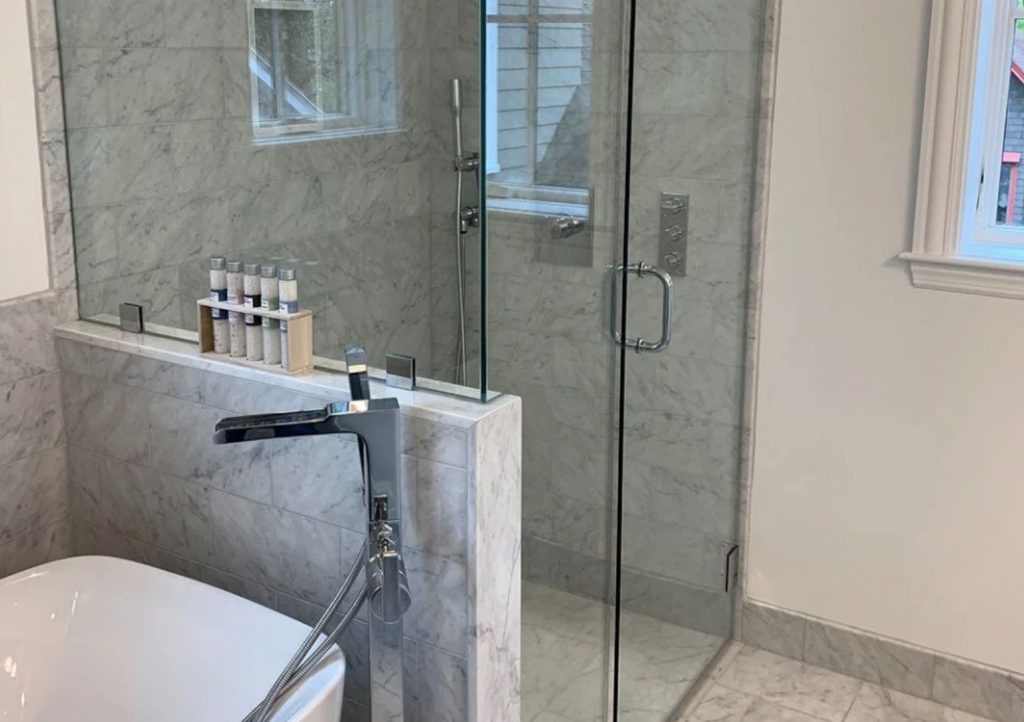
Wet rooms have started to gain popularity over the years as they are a great way to accentuate your bathroom and instill a classic look. They are ideal for bathrooms with smaller spaces and can leave you with a spa-like feeling in your home.
What is a Wet Room?
Wet rooms are dedicated shower areas featuring open spaces that are generally tiled. In a smaller bathroom, you may include a shower screen with this Bathroom Remodel to prevent the water from splashing into the rest of the room.
What you Need to Know
Installing a wet room can be slightly more expensive than a traditional bathroom. This feature can be installed in an extra bathroom, as most buyers prefer a house with at least one conventional bath.
Key Factors
The floor should be waterproofed to avoid leaks, as this may destroy other parts of the house. Raising the floor by a few millimeters may be especially useful to contain the water in this space. A gradient should be implemented to ensure the water flows towards the drainage. If you’re thinking about integrating a wet room in your house, call us today! Exponential Construction, your preferred contractor.…
Bathroom Remodeling Permits in Massachusetts: What Every Homeowner Must Know
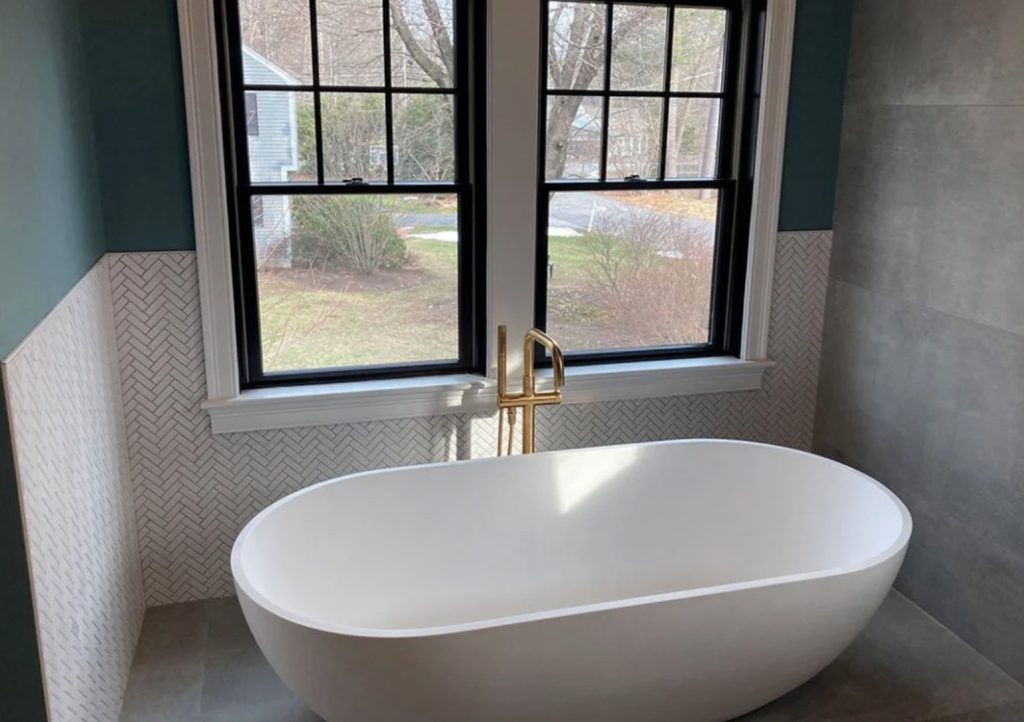
Planning a bathroom renovation and wondering if you actually need a permit? Bathroom remodeling permits are one of the most overlooked—and most consequential—parts of any renovation project in Massachusetts. Skip the permit process and you risk steep municipal fines, failed home sales, and incredibly costly structural rework. Get it right, and your renovation investment is fully protected, code-compliant, and built to last.
At Exponential Construction Corp., we’ve been helping Massachusetts homeowners remodel smarter with premium design-build services since 2019. Here is everything you need to know about navigating the local permit process before your project begins.
Why Bathroom Remodeling Permits Matter More Than You Think
A lot of homeowners treat permits as a bureaucratic hurdle—something to actively avoid if possible. That instinct is understandable, but it is also one of the most expensive mistakes you can make in a home renovation.
Bathroom renovation permits exist for a very straightforward reason: they ensure that licensed professionals perform plumbing, electrical, and structural work to a verified safety standard. An official municipal inspector reviews the work at key stages, catching hidden issues before the walls are permanently closed up. Upon completion, you receive official documentation proving the work was executed correctly.
+—————————————————————–+
| RISKS OF UNPERMITTED REMODELS |
+—————————————————————–+
| [ ] Insurance Denial –> Policy providers can reject flood claims|
| [ ] Rework Mandates –> Forced wall demolition to show wiring |
| [ ] Real Estate Flags–> Title transfers freeze during closing |
+—————————————————————–+
Without that documentation, you are exposed to immense liabilities down the line. Homeowner’s insurance providers routinely deny claims tied to unpermitted plumbing or electrical failures. Furthermore, home buyers and savvy real estate attorneys flag unpermitted renovations during the closing process, which can completely derail a sale.
The permit isn’t an obstacle. It is an ironclad insurance policy for the capital investment you are making in your property.
Do You Need a Permit to Remodel a Bathroom in Massachusetts?
The honest answer for almost every scenario is: yes. Massachusetts generally requires permits for any bathroom remodel that goes beyond purely cosmetic updates. If your project touches the hidden systems behind the drywall—plumbing stacks, electrical wiring, mechanical ventilation, or structural framing—a permit is legally mandated under the Massachusetts State Building Code ($780\text{ CMR}$).
|
Scope of Work |
Permit Required? |
Regulatory Overview |
|
Cosmetic Updates |
No |
Like-for-like fixture swaps, paint, and new vanities without shifting lines. |
|
Plumbing Modifications |
Yes |
Moving drain lines, relocating supply stacks, or installing new fixtures. |
|
Electrical Upgrades |
Yes |
New lighting layouts, shifting GFCI outlets, or heated flooring loops. |
|
Structural Alterations |
Yes |
Knocking down layout walls, altering floor joists, or widening windows. |
Even when your project appears to fall neatly into the cosmetic, no-permit category, always confirm your plans with your local building department or a licensed contractor before proceeding. The legal line between cosmetic and structural modifications is often less obvious than it appears on the surface.
Bathroom Remodeling Permits in Newton, MA — What’s Different
Permit requirements in Massachusetts aren’t dictated by a …
Bathroom Remodeling Tips in Bellingham, MA for a Smooth Project
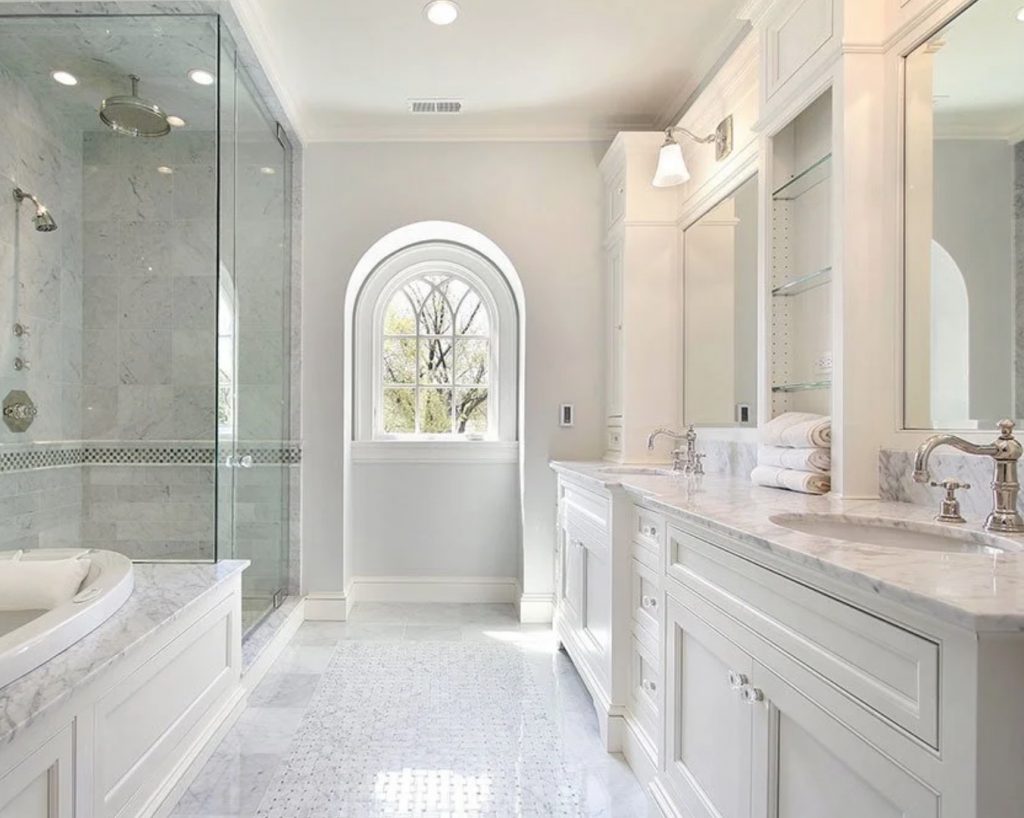
Bathroom remodeling tips in Bellingham MA can make the difference between a project that goes smoothly from planning through completion and one that turns into a frustrating, over-budget experience. Whether you are planning a modest refresh or a full renovation, a handful of practical planning principles apply across nearly every bathroom project, regardless of scope or budget. Getting these fundamentals right from the start protects your investment, your timeline and your overall experience throughout the weeks a remodel typically takes.
This guide covers practical tips across planning, budgeting, design, material selection, contractor vetting and project communication, giving Bellingham homeowners a genuinely useful framework for approaching a bathroom remodel with confidence rather than guesswork, whether this is your first renovation project or one of several you have tackled over the years.
Planning Tips for a Successful Bathroom Remodel
Start With Your Actual Daily Routine, Not Just Inspiration Photos
Before finalizing any design decisions, spend real time thinking through how your household actually uses the bathroom in question day to day. A primary bathroom used by two adults getting ready simultaneously each morning has very different needs than a guest bathroom used occasionally, and a design that photographs beautifully but ignores your household’s actual routine tends to produce regret once the project is finished and daily life resumes. Walking through your typical morning and evening routine step by step, and noting where the current bathroom genuinely falls short, is often more useful planning than starting from a stack of inspiration photos alone.
Finalize Decisions Before Demolition Begins
Making material and design decisions on the fly once construction is underway is one of the most common sources of delay and unexpected cost in any bathroom remodel. Finalizing cabinetry, tile, countertop material, fixtures and paint color before demolition begins allows your contractor to move through the project efficiently, rather than pausing repeatedly to wait on decisions that could have been made weeks earlier during the planning phase. Even a single undecided detail, like a specific tile pattern or exact faucet finish, can quietly stall a crew’s progress at exactly the moment they are ready to move forward with that portion of the work.
Confirm Permitting Early
Most bathroom remodels involving plumbing, electrical or structural changes require a permit from the Town of Bellingham, and confirming this process is already underway before construction begins helps avoid delays partway through the project. Ask your contractor directly whether permits have been submitted, and get a realistic sense of typical approval timelines for a project of your specific scope.
Budgeting Tips That Protect Your Project
Build in a Genuine Contingency
Set aside 15 to 20 percent of your total project budget as a genuine contingency for unexpected issues, rather than treating this as an optional buffer you hope not to need. Older homes throughout Bellingham commonly reveal surprises once walls are opened, including outdated wiring, aging plumbing, or hidden moisture damage that was not visible during the initial estimate. Having this contingency already accounted for keeps the …
3 Incredible Benefits of Adding a Roof to Your Deck: Transform Your Outdoor Living

Adding a roof to your deck is one of the smartest residential home improvement decisions you can make. Whether you want to enjoy your outdoor living space during a sudden New England downpour, beat the intense summer heat, or simply boost your home’s architectural curb appeal, a covered deck delivers on every single front.
Most homeowners underestimate how much a dedicated overhead structure transforms their outdoor experience. A covered deck does not just shield you from the changing seasons — it systematically extends your usable square footage and adds real, measurable valuation to your property. Let’s break down the data-backed reasons why this structural upgrade is worth every penny of your renovation budget.
3 Core Benefits of Adding a Roof to Your Deck
+—————————————————————–+
| THE TRIPLE RETURN OF A DECK ROOF SYSTEM |
+—————————————————————–+
| [1] All-Season Protection –> Blocks UV Rays, Heavy Rain & Snow|
| [2] Advanced Customization–> Safely Run Electrical, TV & Fans |
| [3] Property Equity Boost –> High-Demand Asset for Home Buyers|
+—————————————————————–+
Benefit 1: Comprehensive All-Season Weather Protection
The primary driver behind upgrading an open deck with a permanent roof system is year-round climate defense. A custom-engineered roof over your deck shields your family from intense summer UV radiation, heavy rainfall, and freezing winter snow accumulation.
Without an engineered cover, an open wood or composite deck remains completely unusable for large portions of the calendar year in Massachusetts. Adding a roof creates a true all-season residential retreat.
Key Longevity Advantages of a Covered Deck:
- Drastic UV and Heat Reduction: Lowers ambient temperatures on the deck surface, protecting your bare feet and skin during peak summer months.
- Moisture Defense: Allows you to enjoy fresh air during light rain showers without moving your gatherings indoors.
- Fixture Protection: Shields your deck flooring planks, high-end patio furniture, and exterior structural fasteners from continuous moisture exposure, effectively cutting down your long-term maintenance costs and preventing premature wood rot or composite fading.
Benefit 2: Unlocking Advanced Entertainment and Customization Options
An open, exposed deck limits your furniture and decor choices to waterproof, outdoor-rated plastics and basic fabrics. Once a solid roof structure is framed overhead, your deck instantly shifts from an outdoor platform to a direct structural extension of your home’s interior living spaces.
This protective overhead coverage allows you to safely introduce premium amenities that would otherwise succumb to immediate weather damage:
- Dedicated Electrical Rough-Ins: Run safe, code-compliant wiring for custom outdoor ceiling fans to maintain airflow on humid evenings.
- Layered Lighting Systems: Mount recessed LED pot lights or statement pendant fixtures to establish an inviting nighttime ambiance.
- Outdoor Entertainment Centers: Install flush-mounted outdoor televisions, soundbars, and smart audio speakers safely away from direct rain or snow.
- Privacy Integrations: Anchor structural privacy screens, motorized shades, or heavy outdoor curtains directly to the roof support posts to eliminate drafts and neighborhood sightlines.
Benefit 3: Substantially Boosting Property Value and Architectural Curb Appeal
From a strict financial real estate perspective, adding a permanent roof to an …
Bathtubs: Which One to Install in Your Bathroom? | A Comprehensive Guide
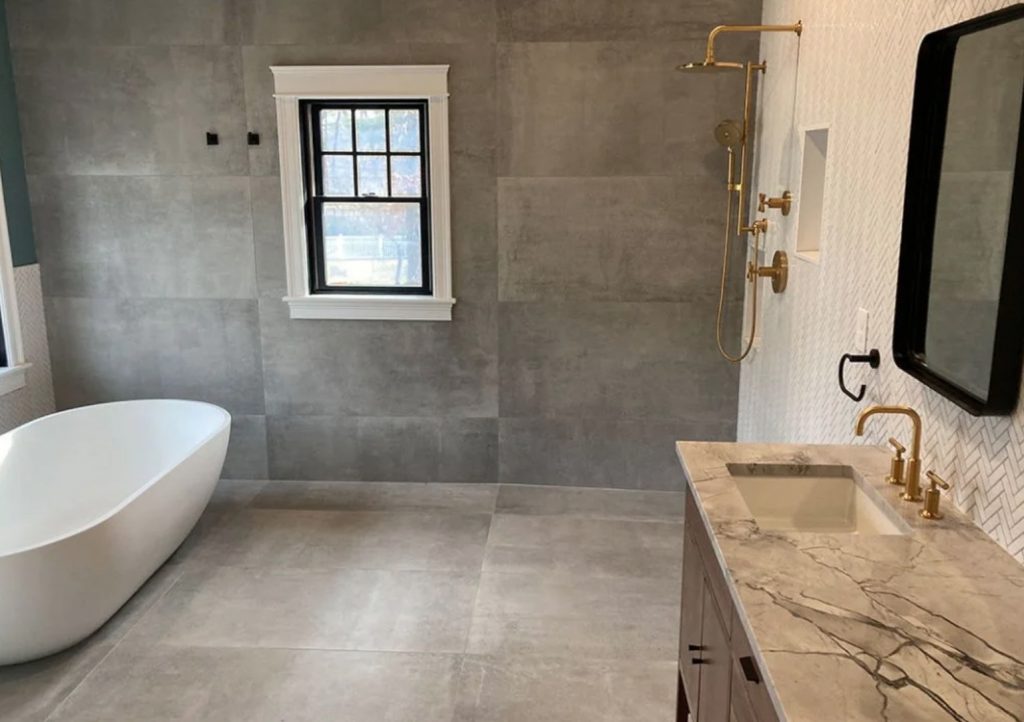
Choosing the right bathtub to install in your bathroom can completely transform how you experience your home. Whether you are in the middle of a full-scale residential bathroom remodel or simply upgrading an old, worn-out tub, picking the wrong fixture is an incredibly costly mistake — both in terms of construction time and financial budget.
A bathtub is one of the most permanent and heavily utilized elements in your residential layout. Unlike easily swappable light fittings or sink faucets, replacing a bathtub requires tearing out surrounding wall tiles, disconnecting underlying plumbing traps, and dealing with a full, invasive installation process all over again. That is why getting it right from day one saves you hundreds, if not thousands, of dollars down the line.
To help you navigate this important choice, let us break down the key technical, functional, and structural factors you must evaluate before making a purchase.
Choose a Bathtub Made From Durable, Long-Lasting Materials
The raw material composition of your bathtub determines its structural lifespan, heat retention capabilities, overall weight, and weekly maintenance requirements. Prioritizing long-term durability over initial upfront savings is crucial to preventing chips, cracks, or surface dulling within a few short years.
Common Residential Bathtub Materials:
- Acrylic: This is one of the most popular choices for modern residential bathrooms. It is highly lightweight, easy for installation crews to maneuver, and exhibits excellent natural heat retention — meaning your bath water stays warm for longer periods. It is also available in an extensive array of custom shapes, contours, and sizing configurations.
- Porcelain-Enameled Cast Iron: This premium material offers a classic, timeless aesthetic and unmatched structural longevity. While it is significantly heavier and demands reinforced subfloor framing, its glass-like porcelain enamel surface resists scratches, impacts, and chemical chips far better than synthetic alternatives.
- Fiberglass (GRP): The most budget-friendly, entry-level option on the market. Fiberglass is exceptionally lightweight and economical upfront; however, it is much thinner, more porous, prone to flexing under weight, and susceptible to surface scratching, meaning it typically requires replacement much sooner.
Compare Bathtub Types and Bathroom Layout Compatibility
The specific style of bathtub you select must align perfectly with your bathroom’s physical square footage, drainage infrastructure, and daily traffic flow.
+—————————————————————–+
| RESIDENTIAL BATHTUB CONFIGURATIONS |
+—————————————————————–+
| [1] Alcove Tub –> Snug 3-Wall Fit | Ideal for Small Spaces|
| [2] Freestanding –> Independent Placement | Bold Design Accent|
| [3] Drop-In –> Set into Custom Deck | Seamless Integration |
| [4] Walk-In Accessible -> Built-In Sealed Door | Enhanced Safety|
+—————————————————————–+
Alcove Bathtubs
Alcove tubs are the standard configuration found in the majority of traditional residential properties. They are engineered to fit snugly between three intersecting walls, making them highly efficient for compact or standard layouts. This configuration allows for effortless integration with an overhead shower fixture and a glass door or curtain to maximize utility.
Freestanding Bathtubs
Freestanding tubs function as a striking architectural focal point. They sit entirely independent of surrounding walls and do not require tile …
How to Enhance Your Bathroom With a Remodel
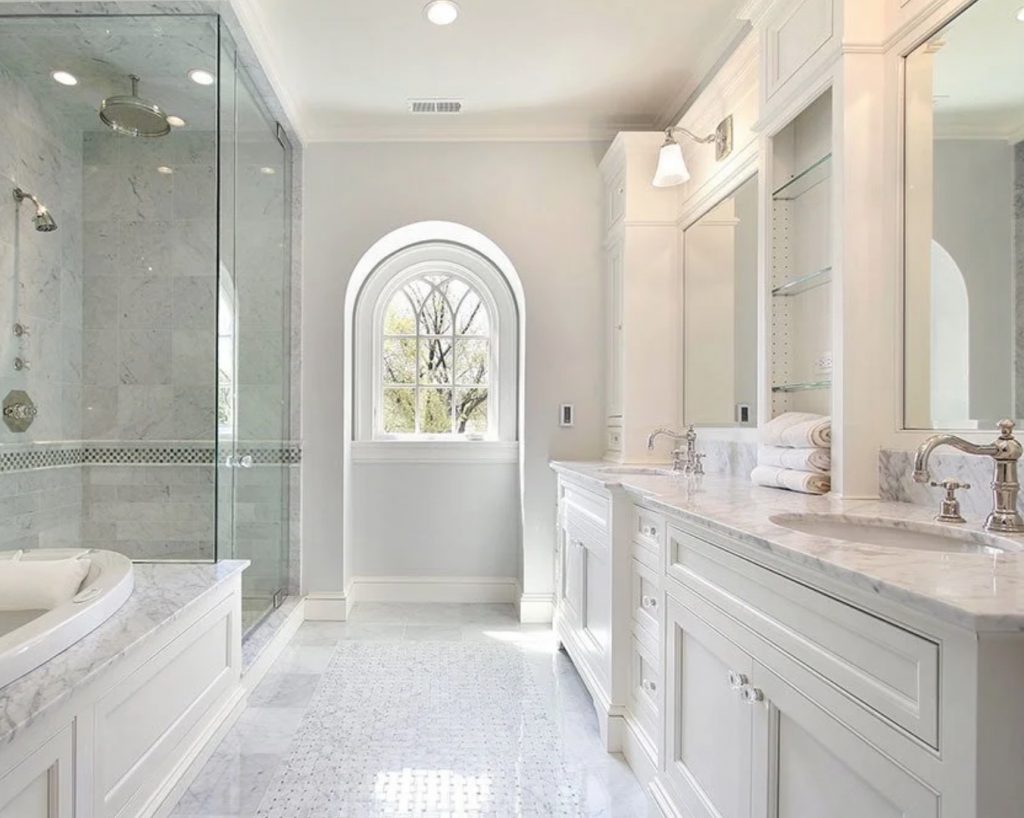
Remodeling your bathroom is a great way to get the most out of this space and improve functionality. If you’re thinking about sprucing up this area, there are a variety of strategies you can implement to enhance potential results. Some of the strategies you should consider when discussing designs with your contractor include:
Installing Textured Floor Tiles
Bathroom floors have traditionally been slippery, representing a safety hazard for users. Installing textured tiles on the floor is an excellent way of addressing this issue. The installation of this option removes the need for alternatives such as bathroom slippers and shower mats, with the second representing an eyesore in many settings.
Installing a Larger Drainpipe
Most shower drain pipes have a diameter between 1.25 and 1.5 inches and are easily clogged. Installing a 2-inch drainpipe might seem insignificant but can make a big difference. The primary aim of any Newton MA bathroom remodeling should be enhancing functionality, and a larger drainpipe can prevent frequent clogs.
Installing a Shower Window
Adding an overhead window in your shower can be a great way to enhance the natural light in this room. Having the sun’s rays stream in as you shower can be quite a relaxing experience. If you’re thinking about upgrades to your bathroom, call us today! Exponential Construction, your preferred contractor.…
The Importance of Consulting a Contractor Before a Paint Job
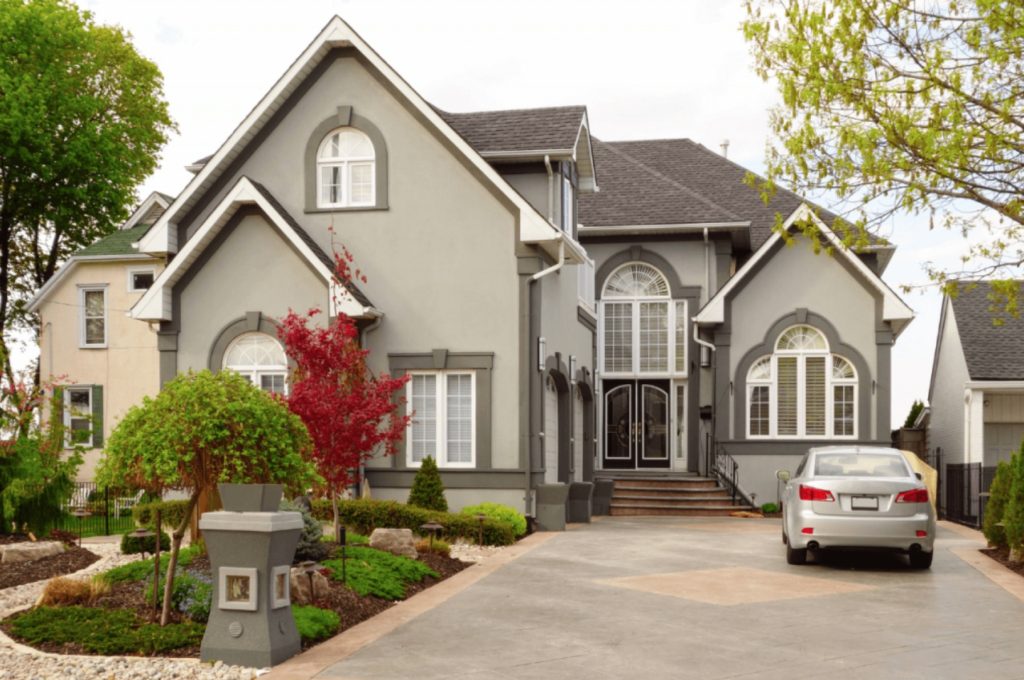
Paint jobs may appear like a simple activity that can be handled as a DIY project. However, any professional will tell you there’s a major difference between an amateur job and professional work. If you’re looking for quality work that adheres to professional standards, hiring a contractor is your best shot of success.
Some of the primary reasons you should consult a painting contractor when considering this project include:
Access to Multiple Samples
Before sending a painter to your residence, most contracting companies offer their clients a chance of going through various samples to identify the best color schemes for their needs. You might already have a particular color in mind, but this can quickly change when presented with different alternatives you hadn’t previously considered.
Getting a Clear Picture of What’s to Come
If it’s your first time undertaking a residential paint job project, you might not know what to expect. Consulting a contracting company will give you a clear picture of what to expect. Familiarizing yourself with the different stages to come can allow you to properly prepare for the project.
Many contracting companies offer free consultation services as part of their provisions to ensure customer satisfaction. Taking advantage of these services is a great way to go through your options and clarify any lingering questions. If you would like to book a professional consultation, call us today! Exponential Construction, your preferred contractor.…
Stages of Painting a House: 7 Proven Steps to Follow
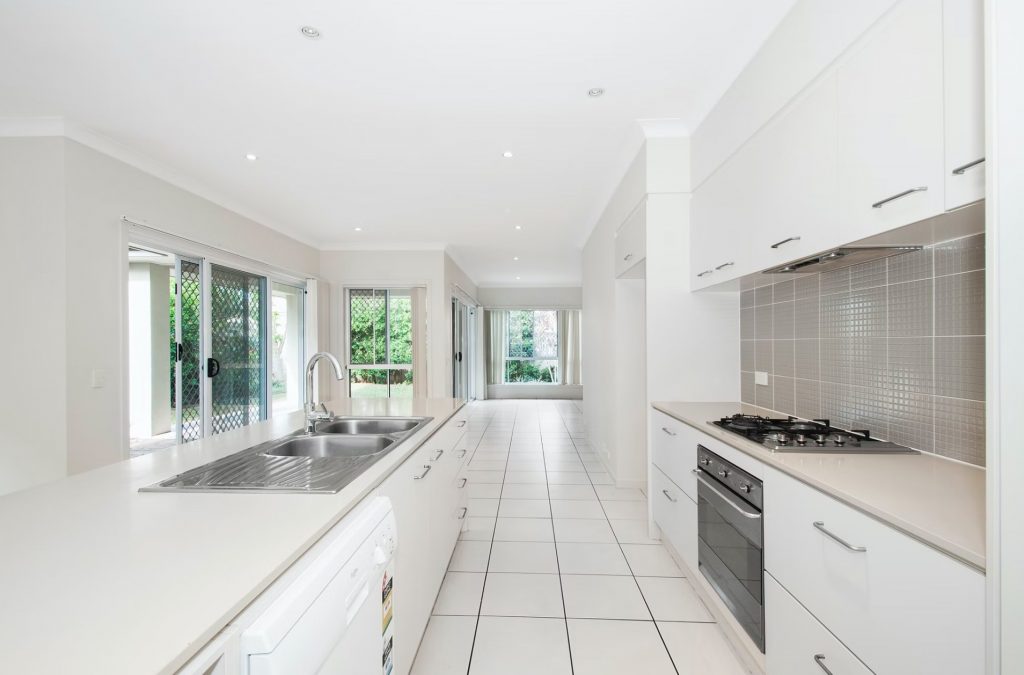
There are a lot of things involved with painting a house, especially when the area concerned represents a significant surface area. Whether you’re thinking about hiring a professional painter or planning on doing the job yourself, understanding the stages of painting a house before you begin helps you approach the project with realistic expectations and a clear sense of what comes next at every point in the process.
This guide walks through seven proven steps involved in painting a house, from initial repair and preparation all the way through to the final coat of paint, helping you achieve a genuinely professional finish regardless of the scope of your project.
Why Understanding the Stages of Painting a House Matters
Jumping into a house painting project without understanding the full process often leads to skipped steps, poor preparation, and a finished result that doesn’t hold up as well or look as professional as it should. Each stage of the painting process builds on the one before it, which means cutting corners early almost always shows up in the quality of the final product.
Taking the time to understand what’s involved at each stage, whether you’re managing the project yourself or overseeing a professional painter, helps ensure nothing important gets overlooked and that the finished result meets the standard you’re expecting.
1: Assess the Condition of the Surface
Before any preparation work begins, a thorough assessment of the surfaces to be painted is essential. This means walking around the entire area to be painted and identifying existing damage, such as cracks, peeling paint, rot, mold, loose caulking, or areas where the previous paint has failed, that will need to be addressed before new paint can be applied.
Why a Thorough Assessment Saves Time and Money
Identifying all surface issues upfront allows you to address them systematically during the preparation phase, rather than discovering problems mid-project that require work to stop while additional materials are sourced. A comprehensive assessment also helps your painter provide a more accurate estimate of the time and materials involved, reducing the likelihood of unexpected cost increases once work has begun.
2: Repair and Prepare the Surface
The first thing any professional painter will tell you when dealing with a major painting project is that your house has to be adequately prepared before a fresh coat of paint can be applied. This involves removing any accumulated dirt and grime through a thorough pressure wash, as well as sanding down any areas that are suffering from excessive peeling or flaking paint.
Addressing Cracks, Caulking, and Related Damage
You’ll also need to address any cracks, loose or deteriorated caulking, and related surface damage around the house before painting begins. Caulking around windows, door frames, and trim should be inspected carefully, since gaps in these areas not only affect the appearance of the finished paint job but can also allow moisture to penetrate and cause structural damage over time.
Why Preparation Is the Most Important Stage
Experienced painters consistently emphasize that preparation is …
Hiring a Professional Painter: 7 Proven Tips to Choose Right
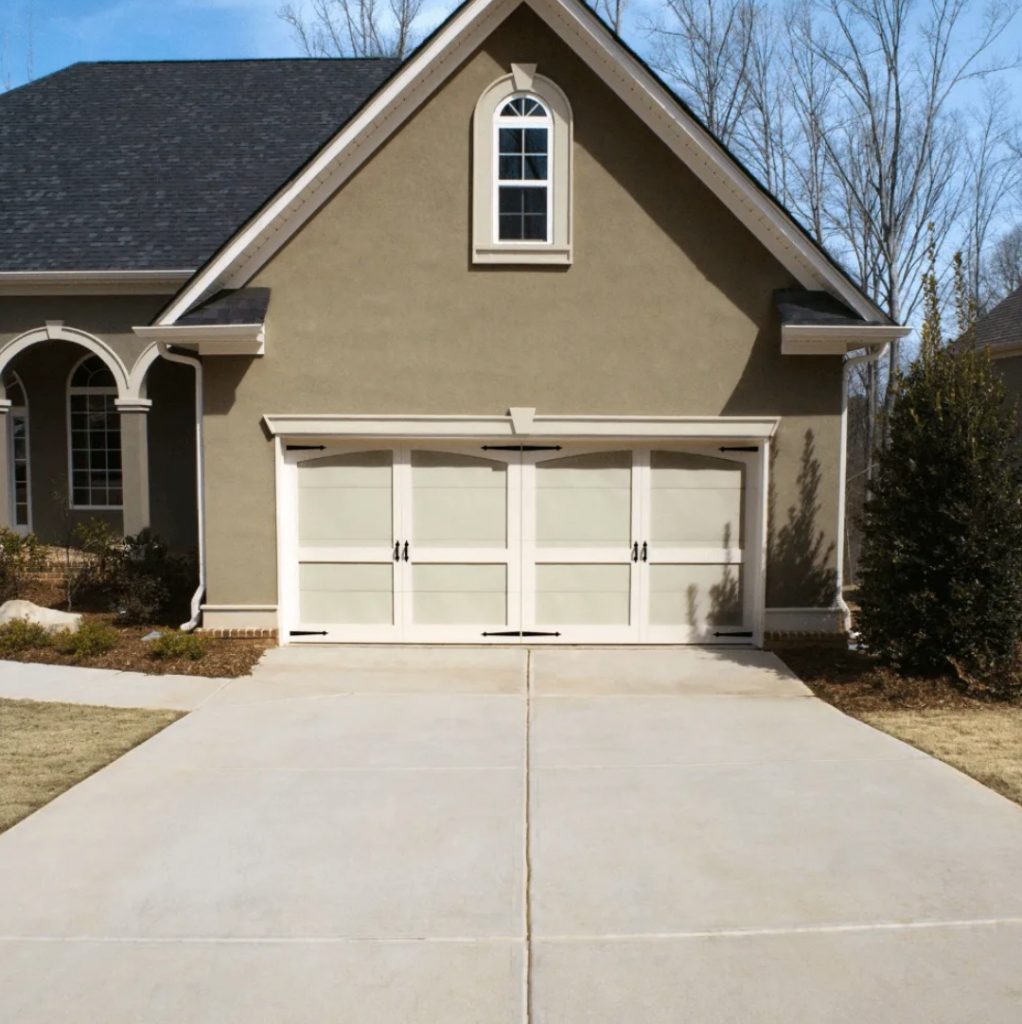
Hiring professional help is a great way to ensure your paint job features satisfactory results. It’s also an effective way to save time and avoid the additional cleanup and prep work that comes with tackling a painting project on your own. However, not every professional represents the best option on the market, and it’s crucial that you make the right choice when looking for a suitable candidate for your specific project.
This guide walks through seven proven tips to consider when hiring a professional painter, helping you identify a contractor who delivers genuine quality, communicates clearly, and stands behind their work from start to finish.
Why Choosing the Right Painter Matters
A professional paint job represents a meaningful investment in your home, and the quality of the finished result depends almost entirely on the skill, preparation, and professionalism of the painter you hire. A poorly chosen contractor can leave you with uneven coverage, messy edges, damaged fixtures, and a finish that deteriorates far sooner than it should.
Taking the time to evaluate potential candidates carefully before making a final decision protects both your investment and your peace of mind throughout the project. The tips outlined below cover the most important factors to assess when hiring a professional painter for any residential project.
1: Evaluate Their Professional History
One of the first things you should consider when looking for a painter is their professional history in relation to similar projects. The more experience a painter has with residential homes comparable to yours, the higher the likelihood they’ll deliver a genuinely quality result on your specific project.
Why Relevant Experience Matters
A painter with extensive experience on residential projects has encountered and resolved the kinds of challenges that come up during typical home painting jobs, including working around older surfaces, managing color transitions between rooms, and handling unexpected surface conditions discovered during preparation. This experience translates directly into better problem-solving and more consistent results compared to a less experienced contractor tackling similar challenges for the first time.
Asking About Specific Project Experience
When evaluating a painter’s professional history, ask specifically about projects similar in scope and surface type to yours. A contractor with a strong track record of interior residential painting may have less experience with exterior work, or vice versa. Matching their specific experience to your specific project type helps ensure you’re hiring someone genuinely well-suited to the work at hand.
2: Verify Insurance Coverage
You should always make a point of ensuring the contractor you choose is properly insured before any work begins. This is an essential safety net to have in place, especially when dealing with major projects that represent a significant financial investment.
What Insurance Coverage Should Include
A properly insured painting contractor should carry both general liability insurance and workers’ compensation coverage. General liability protects your property in the event of accidental damage during the project, while workers’ compensation covers the contractor’s employees in case of an injury on your property. Without these coverages in place, you …