 Skip to content

Finishing a basement bathroom runs $20,000 to $30,000 in the national cost figures Bob Vila published, against an average of $15,000 for adding a bathroom anywhere in the house. That makes the basement bathroom addition cost one of the larger line items in a home project. All the figures here are national, so treat them as a budget frame and get Massachusetts quotes to pin down your own number.
What is the average basement bathroom addition cost?
Plan on a basement bathroom addition cost of $20,000 to $30,000 for a finished room. That’s the top end of the range for any location in the house, shared only with a garage conversion.
The table shows where the basement sits among the other places a bathroom can go.
| Where the bathroom goes | Typical cost to add it |
|---|---|
| Closet or under the stairs | $3,000 to $7,500 |
| Upstairs | $7,000 to $12,500 |
| Attic | $8,000 to $20,000 |
| Garage | $15,000 to $30,000 |
| Basement | $20,000 to $30,000 |
Those are broad ranges, and a wide spread inside each one is normal. What you choose to put in the room moves the total as much as where the room is.
Half bath, three-quarter bath or full bath: how size changes the price
A bigger bathroom costs more, but the bigger jump comes from building new space instead of converting what you have. A full bath in existing space runs $7,000 to $12,500, while the same bath as an addition runs $14,000 to $30,000.
| Bathroom size | In existing space | As an addition |
|---|---|---|
| Half bath | $5,000 to $15,000 | $10,000 to $30,000 |
| Three-quarter bath | $5,000 to $7,500 | $10,000 to $18,000 |
| Full bath | $7,000 to $12,500 | $14,000 to $30,000 |
If you have an unfinished corner of the basement with a good ceiling height and a floor that’s already poured, you may be closer to the left-hand column than you think. A walk through the space with a contractor settles which column you’re in.
Why a basement costs more than other rooms
Two things stack up below grade. The plumbing often has to travel farther than it would upstairs, and a basement bathroom commonly needs a sewer-ejector system on top of the fixtures.
Bob Vila’s guide puts the first part plainly: “the farther a new bathroom is from existing systems, the more of the budget will need to be reserved for these costs.” A basement corner can sit a long way from the kitchen and bath stacks above it.
There’s a second reason it lands near the top of the table. Because the room is usually brand new rather than a swap of an old one, it falls under the addition pricing, which the same guide says typically starts at $20,000.
Plumbing and the sewer-ejector system
Plumbing is where the basement bathroom addition cost is won or lost, and it’s the part to ask about first when you collect quotes. Ask for the plumbing, the electrical work and the ejector system to be listed as separate lines so you can compare one bid with another.
What plumbing and electrical cost
Plumbing runs $3 to $5 per square foot, and electrical work runs $3 to $5 per linear foot, according to the same national guide. On a small bathroom that’s a modest slice of the bill, which is why the distance to existing pipes and panels matters more than the room’s size.
A sewer-ejector system installed in a basement runs $720 to $1,350. That’s the equipment and its installation, and it should appear on your estimate as its own item.
Why distance from existing pipes matters
Every foot between the new fixtures and the nearest existing pipe is more material and more labor. A bathroom planned directly under an existing one is usually the cheaper layout, while one tucked into the far corner of the foundation costs more to reach.
When you walk the space with us, we’ll show you where the existing lines are and what moving the bathroom a few feet in either direction does to the estimate. Sketching two layouts is cheap, and it’s the most reliable way to protect the budget.
Do you need a permit to add a bathroom to a basement?
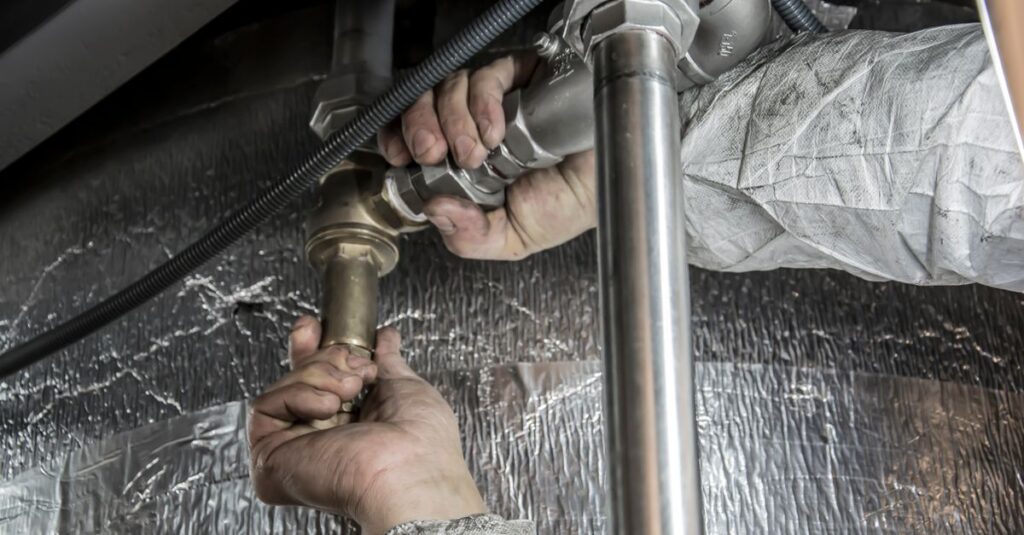
Photo by Anıl Karakaya on Pexels
Yes. A new bathroom needs a permit, as does any significant change such as moving the layout or adding a window, while purely cosmetic updates don’t.
Permit fees are part of the basement bathroom addition cost, and in Massachusetts plumbing work has its own requirement. The City of Cambridge plumbing permit page states that a plumbing permit is required for all work performed under the state plumbing code, issued under Massachusetts General Laws 142-13.
Fees and procedures are set by each town, so call the building or inspections office in Holliston, Hopkinton or wherever you live before work starts. Your contractor should pull the permits, and you should ask to see them.
What drives the price up or down
Beyond the plumbing, a handful of choices decides where in the $20,000 to $30,000 range your basement bathroom addition cost lands.
- Fixtures: toilets run $350 to $3,500, and a tub or shower runs $3,000 to $7,000.
- Finish level: a standard bathroom costs $200 to $300 per square foot, an upscale one $450 to $600.
- Labor: plumbers and electricians bill $85 to $120 per hour, and vanity installation starts at $45 per hour.
- Drawings: plans for an addition typically cost $800 to $1,200.
Size and finish are where you have the most control. A tub-shower combination with a mid-range toilet keeps you far from the top of those fixture ranges.
The quotes you collect will differ, and a low one isn’t automatically the one to take. One of our customers, Andy Golden, wrote: “They did a beautiful job for less than the other 10 quotes we received, and several neighbors asked for his info to do their wall, as well as several friends to do interior work.” Compare what each bid includes before you compare the totals.
If you’d like to see how we approach bathrooms and additions, our home renovations and additions page is a good place to start, and our work on bathroom remodeling in Needham and bathroom remodeling in Wellesley shows the finish levels we build.
Will a basement bathroom add value to your home?
It adds value, but it won’t return everything the basement bathroom addition cost you. Most bathroom additions recover about 54 percent of their cost, according to the national guide.
The size of the bathroom changes the gain. A half bath raises a home’s value by about 10 percent, while a full bath adds 15 to 25 percent.
For a basement, the case rests as much on how you’ll use the space as on resale. A bathroom that makes a finished lower level livable for guests or family is worth something every day you’re in the house, on top of what it adds at sale.
If you’re also thinking about the rest of the lower level, our Newton bathroom remodeling page shows how we scope a project room by room.
Frequently asked questions
Is it cheaper to convert existing space than to build an addition?
Yes. Converting existing space averages about $7,600 and can start near $2,500, while an addition typically costs $20,000 or more. A basement bathroom usually falls somewhere between, depending on how much of the space is already framed and plumbed.
How much does a sewer-ejector system cost to install?
A sewer-ejector system installed in a basement runs $720 to $1,350. Ask for it as its own line on your estimate.
Do I need drawings for a bathroom addition?
Planning and drawings are required for additions and typically cost $800 to $1,200. Your town’s building office will tell you what it wants to see with the permit application.
Do plumbers and electricians charge by the hour?
Their hourly rates run $85 to $120. Many bathroom quotes bundle labor into a total, so ask whether yours is hourly or fixed and what happens if the job runs long.
Sources
- Cost to Add a Bathroom — Bob Vila
- Plumbing Permit — City of Cambridge, Massachusetts
Cover photo by mowbraycourthotel on Pixabay