
Tile Installation vs. Painting Your Bathroom
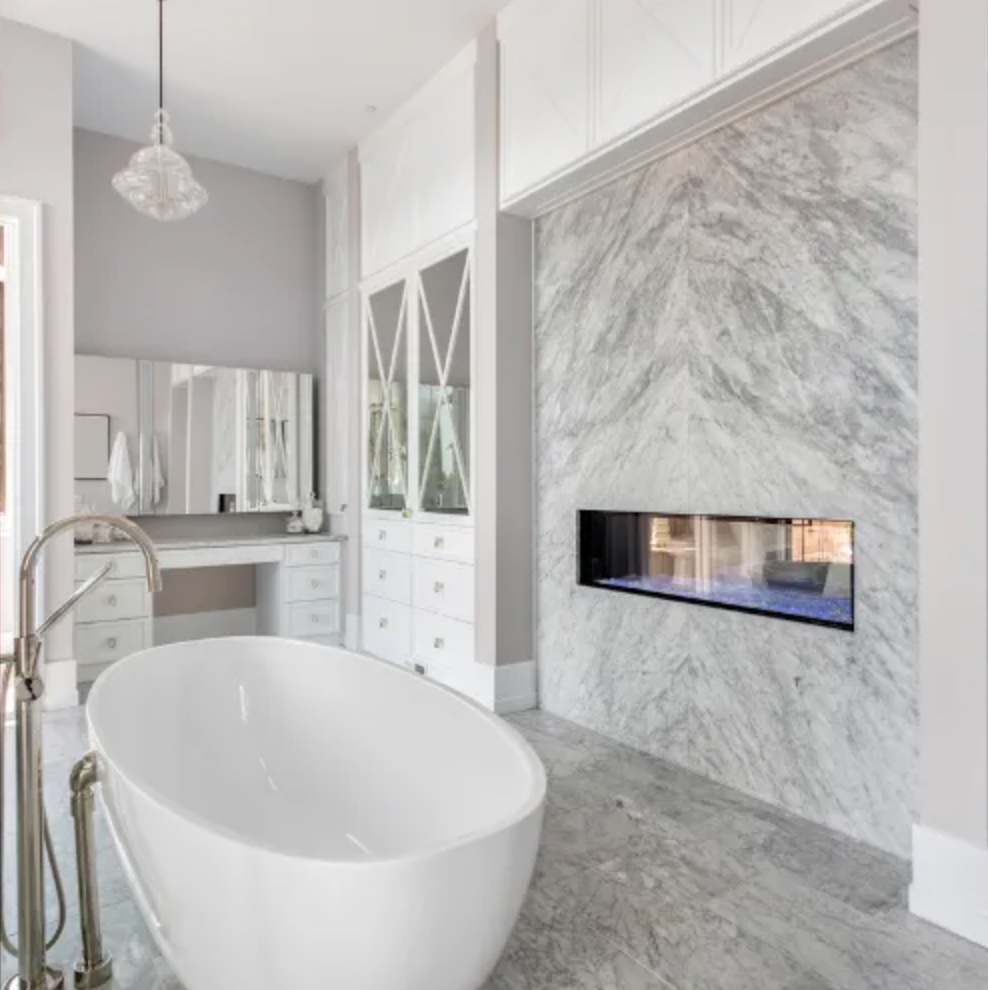
Two primary options available in the bathroom remodeling market include a fresh paint job and retiling projects. Your final choice will depend on your personal preferences. If you’re unsure about the most suitable alternative for your needs, there are a few things you can consider when making a final decision. Some of these include:
Cost
Bathroom Remodeling can be quite expensive if one doesn’t adequately plan for the finances involved with such a project. Tiles require a significant initial investment, but they can stay for a long time without being replaced. Painting over is cheaper, but you may have to do this more frequently.
Mold Resistance
Moisture can be quite damaging to both paint and tiles. Tiles are, however, easier to maintain compared to paint. Dampness can gradually erode the paint or cause discoloration. Tiles don’t have any problems with dampness, making them an excellent option for bathrooms.
Style or décor
If you would like to make frequent changes to your bathroom’s appearance, opting for a paint job represents a more affordable option. This way, you can easily update your bathroom without much of a hassle. Tiles are suitable for homeowners who want something long-lasting. We offer a variety of tiling and painting solutions, so call us today! Exponential Construction, your preferred contractor.…
Bathroom Remodeling Permits in Massachusetts: What Every Homeowner Must Know
Planning a bathroom renovation and wondering if you actually need a permit? Bathroom remodeling permits are one of the most overlooked—and most consequential—parts of any renovation project in Massachusetts. Skip the permit process and you risk steep municipal fines, failed home sales, and incredibly costly structural rework. Get it right, and your renovation investment is fully protected, code-compliant, and built to last.
At Exponential Construction Corp., we’ve been helping Massachusetts homeowners remodel smarter with premium design-build services since 2019. Here is everything you need to know about navigating the local permit process before your project begins.
Why Bathroom Remodeling Permits Matter More Than You Think
A lot of homeowners treat permits as a bureaucratic hurdle—something to actively avoid if possible. That instinct is understandable, but it is also one of the most expensive mistakes you can make in a home renovation.
Bathroom renovation permits exist for a very straightforward reason: they ensure that licensed professionals perform plumbing, electrical, and structural work to a verified safety standard. An official municipal inspector reviews the work at key stages, catching hidden issues before the walls are permanently closed up. Upon completion, you receive official documentation proving the work was executed correctly.
+—————————————————————–+
| RISKS OF UNPERMITTED REMODELS |
+—————————————————————–+
| [ ] Insurance Denial –> Policy providers can reject flood claims|
| [ ] Rework Mandates –> Forced wall demolition to show wiring |
| [ ] Real Estate Flags–> Title transfers freeze during closing |
+—————————————————————–+
Without that documentation, you are exposed to immense liabilities down the line. Homeowner’s insurance providers routinely deny claims tied to unpermitted plumbing or electrical failures. Furthermore, home buyers and savvy real estate attorneys flag unpermitted renovations during the closing process, which can completely derail a sale.
The permit isn’t an obstacle. It is an ironclad insurance policy for the capital investment you are making in your property.
Do You Need a Permit to Remodel a Bathroom in Massachusetts?
The honest answer for almost every scenario is: yes. Massachusetts generally requires permits for any bathroom remodel that goes beyond purely cosmetic updates. If your project touches the hidden systems behind the drywall—plumbing stacks, electrical wiring, mechanical ventilation, or structural framing—a permit is legally mandated under the Massachusetts State Building Code ($780\text{ CMR}$).
|
Scope of Work |
Permit Required? |
Regulatory Overview |
|
Cosmetic Updates |
No |
Like-for-like fixture swaps, paint, and new vanities without shifting lines. |
|
Plumbing Modifications |
Yes |
Moving drain lines, relocating supply stacks, or installing new fixtures. |
|
Electrical Upgrades |
Yes |
New lighting layouts, shifting GFCI outlets, or heated flooring loops. |
|
Structural Alterations |
Yes |
Knocking down layout walls, altering floor joists, or widening windows. |
Even when your project appears to fall neatly into the cosmetic, no-permit category, always confirm your plans with your local building department or a licensed contractor before proceeding. The legal line between cosmetic and structural modifications is often less obvious than it appears on the surface.
Bathroom Remodeling Permits in Newton, MA — What’s Different
Permit requirements in Massachusetts aren’t dictated by a …