
The Complete Guide to Kitchen Demolition: What Homeowners Should Know

Renovating a kitchen is one of the most exciting upgrades you can make to your home, but the demolition stage can feel like a lot to handle at first. Whether you are taking out old cabinets, replacing countertops, or planning a full layout change, it helps to understand exactly what happens during kitchen demolition before the work begins.
This guide walks through the basics of kitchen demolition, including how long it usually takes, what it may cost, what steps are involved, and why many homeowners trust XP Construction Corp. to do the job the right way.
How Long Does Kitchen Demolition Take?
The amount of time needed for kitchen demolition depends on the size of the space, the level of work involved, and who is doing the job. In most cases, kitchen demolition takes anywhere from 1 to 5 days.
Here is what usually affects the timeline:
Kitchen size: Smaller kitchens may take only 1 to 2 days to demolish. Larger kitchens, especially ones with more cabinetry, islands, or custom features, can take 3 to 5 days.
Project complexity: Removing cabinets and countertops is usually fairly straightforward. If the project also involves taking down walls or disconnecting plumbing and electrical systems, the work will take longer.
Experience of the crew: A professional demolition team can usually complete the project much faster and more safely than a DIY approach.
If you are in the Chicago area, XP Construction Corp. can help make sure the demolition is completed efficiently, safely, and with as little disruption to your home as possible.
What Is Included in Kitchen Demolition?
Kitchen demolition is more than just tearing things out. It is a step-by-step process that should be done carefully so the space is safe, clean, and ready for the next phase of the remodel.
Preparation and Safety
Before any demolition begins, the area needs to be prepared properly.
Utility shutoff: Gas, water, and electrical lines should be turned off before work starts. XP Construction Corp. makes sure this is handled safely by qualified professionals.
Protecting nearby spaces: Demolition creates a lot of dust and debris. Plastic sheeting, drop cloths, and tarps can help protect nearby rooms, furniture, and flooring.
Clearing the kitchen: Small appliances, dishes, and personal items should be removed before the work begins to prevent damage.
Appliance Removal
Large appliances need to be disconnected and taken out before demolition can continue.
Disconnecting appliances: Refrigerators, stoves, microwaves, and dishwashers may need to be disconnected from power, gas, or plumbing lines. This should be done by someone with experience.
Appliance disposal: XP Construction Corp. can also help remove and dispose of old appliances responsibly, including recycling whenever possible.
Cabinet and Countertop Removal
This is often one of the first visible stages of the demolition process.
Cabinet removal: Cabinets are usually removed first. A skilled team can take them down without causing unnecessary damage to the walls or flooring.
Countertop removal: Different countertop materials require different tools and methods. Granite, quartz, and laminate each need to …
Do You Need a Permit for a Kitchen Remodel in Newton, MA? (2026 Guide)
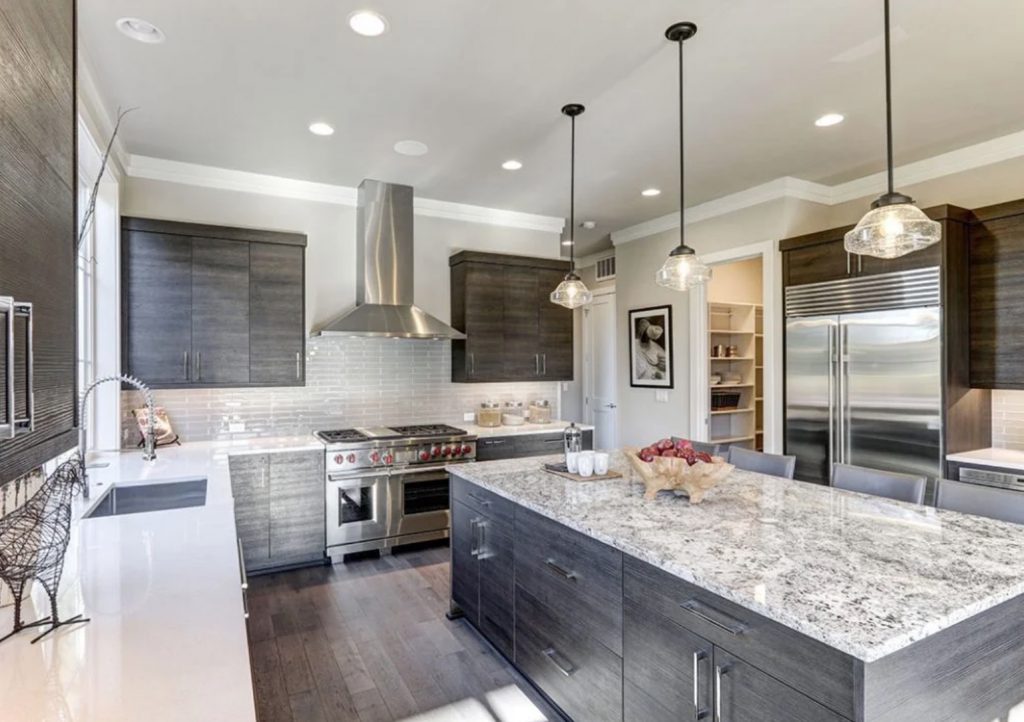
A kitchen remodel is one of the most valuable upgrades you can make to your home—boosting both functionality and resale value. But before you start tearing out cabinets or installing new fixtures, one important question comes up:
👉 Do you need a permit for a kitchen remodel in Newton, MA?
The answer depends on the scope of your project. In many cases, permits are required—especially when the remodel involves plumbing, electrical, or structural changes. In this guide, we’ll break down exactly when you need a permit, how to get one, and how to avoid costly mistakes.
When Do You Need a Permit for a Kitchen Remodel?
In Newton, Massachusetts, permits are typically required if your kitchen remodel involves any major system changes or structural work.
You WILL need a permit if your project includes:
- Moving or removing walls
- Changing the layout of your kitchen
- Installing new plumbing (sinks, dishwashers, gas lines)
- Upgrading or adding electrical wiring (new outlets, lighting)
- Installing ventilation systems (range hoods, exhaust ducts)
- Structural modifications
👉 These types of renovations fall under building, plumbing, or electrical permits, which must be approved before work begins.
When You DON’T Need a Permit
Not every kitchen upgrade requires approval. Minor cosmetic changes usually don’t need permits.
You typically DON’T need a permit for:
- Replacing cabinets (same layout)
- Installing countertops
- Painting walls
- Replacing flooring (non-structural)
- Swapping appliances (without modifying connections)
⚠️ However, rules can vary slightly depending on your exact location and project scope, so it’s always best to confirm with your local building department.
Types of Kitchen Remodeling Permits in Newton, MA
Depending on your project, you may need one or more of the following:
1. Building Permit
Required for:
- Structural changes
- Wall removal or additions
- Layout modifications
2. Electrical Permit
Required for:
- Adding or relocating outlets
- Installing new lighting systems
- Upgrading electrical panels
3. Plumbing Permit
Required for:
- Moving sinks or dishwashers
- Installing new water lines
- Gas line modifications
4. Mechanical Permit
Required for:
- Installing ventilation systems
- HVAC adjustments related to kitchen work
How to Apply for a Kitchen Remodel Permit in Newton
Applying for a permit is straightforward if you’re prepared.
Step-by-step process:
- Prepare your plans
- Existing layout
- Proposed design
- Measurements and details
- Existing layout
- Submit application
- Through Newton’s Inspectional Services Department
- Through Newton’s Inspectional Services Department
- Pay permit fees
- Based on project scope and value
- Based on project scope and value
- Wait for approval
- Can take a few days to a few weeks
- Can take a few days to a few weeks
- Schedule inspections
- Required at different stages of the project
- Required at different stages of the project
👉 Working with a professional contractor can speed up this process significantly.
How Much Does a Kitchen Permit Cost in Massachusetts?
Permit costs vary depending on the size and complexity of your remodel.
Typical ranges:
- Small projects: $100 – $500
- Medium remodels: $500 – $1,500
- Major renovations: $1,500+
👉 In Newton, fees are usually calculated based on total project value.
What Happens If You Skip a Permit?
Skipping permits might seem like a shortcut—but it can create serious problems:
- Fines and penalties
- Forced removal of completed work
- Issues when selling your home
- Insurance complications
- Safety
