The Complete Guide to Kitchen Demolition: What Homeowners Should Know
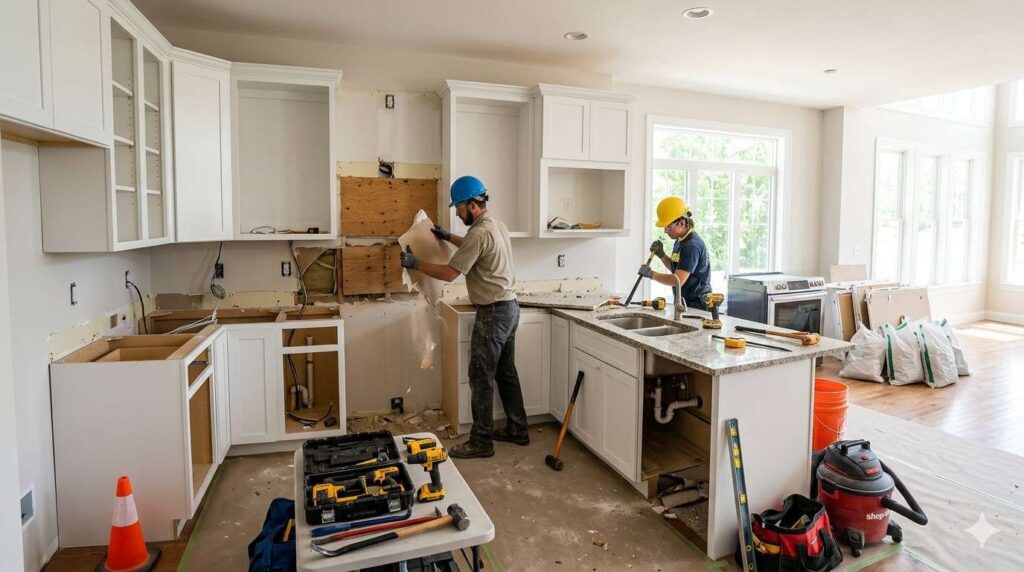
Renovating a kitchen is one of the most exciting upgrades you can make to your home, but the demolition stage can feel like a lot to handle at first. Whether you are taking out old cabinets, replacing countertops, or planning a full layout change, it helps to understand exactly what happens during kitchen demolition before the work begins.
This guide walks through the basics of kitchen demolition, including how long it usually takes, what it may cost, what steps are involved, and why many homeowners trust XP Construction Corp. to do the job the right way.
How Long Does Kitchen Demolition Take?
The amount of time needed for kitchen demolition depends on the size of the space, the level of work involved, and who is doing the job. In most cases, kitchen demolition takes anywhere from 1 to 5 days.
Here is what usually affects the timeline:
Kitchen size: Smaller kitchens may take only 1 to 2 days to demolish. Larger kitchens, especially ones with more cabinetry, islands, or custom features, can take 3 to 5 days.
Project complexity: Removing cabinets and countertops is usually fairly straightforward. If the project also involves taking down walls or disconnecting plumbing and electrical systems, the work will take longer.
Experience of the crew: A professional demolition team can usually complete the project much faster and more safely than a DIY approach.
If you are in the Chicago area, XP Construction Corp. can help make sure the demolition is completed efficiently, safely, and with as little disruption to your home as possible.
What Is Included in Kitchen Demolition?
Kitchen demolition is more than just tearing things out. It is a step-by-step process that should be done carefully so the space is safe, clean, and ready for the next phase of the remodel.
Preparation and Safety
Before any demolition begins, the area needs to be prepared properly.
Utility shutoff: Gas, water, and electrical lines should be turned off before work starts. XP Construction Corp. makes sure this is handled safely by qualified professionals.
Protecting nearby spaces: Demolition creates a lot of dust and debris. Plastic sheeting, drop cloths, and tarps can help protect nearby rooms, furniture, and flooring.
Clearing the kitchen: Small appliances, dishes, and personal items should be removed before the work begins to prevent damage.
Appliance Removal
Large appliances need to be disconnected and taken out before demolition can continue.
Disconnecting appliances: Refrigerators, stoves, microwaves, and dishwashers may need to be disconnected from power, gas, or plumbing lines. This should be done by someone with experience.
Appliance disposal: XP Construction Corp. can also help remove and dispose of old appliances responsibly, including recycling whenever possible.
Cabinet and Countertop Removal
This is often one of the first visible stages of the demolition process.
Cabinet removal: Cabinets are usually removed first. A skilled team can take them down without causing unnecessary damage to the walls or flooring.
Countertop removal: Different countertop materials require different tools and methods. Granite, quartz, and laminate each need to …
Roof Replacement Guide for Homeowners and Businesses in Framingham, MA
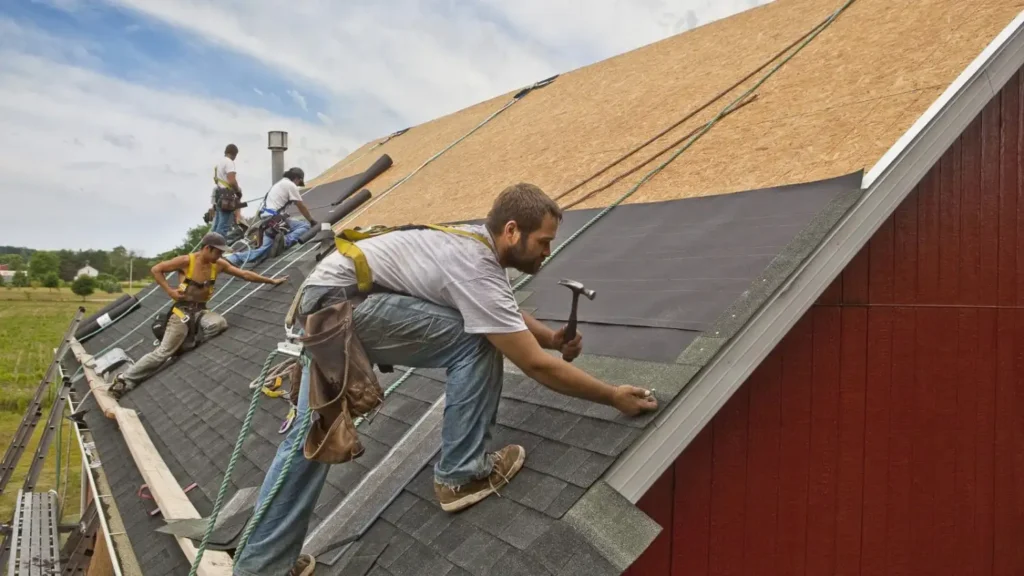
If you live or own property near Framingham, MA, you may already know how the weather can affect roofs. Heavy snow, freezing winters, and summer storms all take a toll. Sometimes repairs aren’t enough for older homes. You need a replacement.
This guide will explain when you may need a roof replacement, what it includes, how much it costs, and how to prepare for the project.
When Does a Roof Need to Be Replaced?
Most roofs do not fail suddenly. They usually show warning signs first.
Here are some common signs that your roof may need replacement:
- Shingles are curling or missing
- Dark spots or water stains on ceilings
- Leaks during rain or snow
- Granules from shingles in your gutters
- The roof is more than 20–25 years old
What Is Included in a Roof Replacement?
Roof replacement doesn’t only mean new shingles. This is rather a complete upgrade of your roof.
A full roof replacement often includes:
- Removing old roofing materials
The crew takes off old shingles and damaged layers. - Inspecting the roof deck
The wooden base under the roof is checked for rot or damage. - Replacing damaged wood
Weak areas are repaired to make the roof strong again. - Installing underlayment
This is a protective layer that stops water from entering the home. - Adding flashing and ventilation
These help guide water away and improve airflow. - Installing new shingles or roofing material
- Cleanup and final inspection
What Is a Partial Roof Replacement?
If your roof is not so damaged that full replacement is necessary, then you can consider partial roof replacement.
This means replacing only a section of the roof instead of the entire structure. It can save money, but it is not always the best choice. If the roof is very old, replacing the whole roof may provide better protection and value.
Consult a professional service first, then assess the roof to determine the appropriate replacement type.
How Expensive Is a Roof Replacement?
One of the first questions homeowners ask is: How much does a roof replacement cost?
The answer depends on several factors:
- Roof size
- Type of materials
- Roof slope
- Labor costs
- Repairs needed underneath
In Massachusetts, a typical roof replacement can range from $8,000 to $20,000 or more for residential properties.
Commercial roofs can cost more because they are larger and use different materials.
How to Estimate Roof Replacement Cost
You can get a rough estimate by considering:
- Square footage of the roof
- Material type (asphalt shingles, metal, rubber roofing)
- Complexity of the roof design
Does Roof Replacement Increase Property Value?
A new roof can increase the property value by elevating the total look of your house. A new roof also means a longer lifespan and lower maintenance costs. So buyers become interested in those houses.
A new roof can:
- Increase home resale value
- Improve curb appeal
- Make the building more energy efficient
- Help buyers feel confident about the property
Are Roof Replacements Covered by Insurance?
Sometimes they are.
Home insurance may cover roof replacement if the …
Metal Roofing: A Durable, Energy-Efficient Choice for Modern Homes and Businesses
A proper roofing material is important for the long lifespan of your roof and home. Metal roofing has become a popular roofing material for its durability, energy efficiency, and modern appearance.
But many homeowners are not aware of how a metal roof would perform, and they have many doubts regarding this not-so-traditional roofing material.
In this guide, you’ll learn about the types of metal roofing, costs, comparisons with traditional roofing, and common questions to help you decide if metal roofing is right for your property.
What is Metal Roofing?
Metal roofing is a type of roofing system made from durable metal materials such as steel, aluminum, zinc, or copper, designed to protect buildings from weather while offering long-term performance. It typically comes in panels or shingles that interlock to create a strong, water-resistant surface. Unlike traditional roofing materials, metal roofing is known for its high resistance to wind, fire, and corrosion, as well as its ability to reflect heat—making it an energy-efficient option for many homes. It’s widely used in both residential and commercial properties due to its longevity, low maintenance needs, and modern aesthetic appeal.
Types of Metal Roofing
Metal roofing comes in different types that fit different architectural needs and budgets.
1. Standing Seam Metal Roofing
Standing seam metal roofing has vertical panels with raised seams that lock together.
Benefits:
- Extremely durable and weather-resistant
- Clean, modern appearance
- Minimal maintenance
This minimal, clean look is ideal for modern residential homes, commercial buildings, and modern architectural designs.
2. Metal Shingles
Metal shingles mimic the appearance of traditional roofing materials like slate, wood shakes, or asphalt shingles while providing the durability of metal. So if you want a traditional-looking roof, but don’t enjoy the low durability and maintenance of traditional materials, metal shingles can be a great choice.
Benefits:
- Traditional aesthetic
- Lightweight and durable
- Longer lifespan than asphalt shingles
3. Corrugated Metal Roofing
Corrugated metal panels have a wavy design that adds strength and rigidity.
Benefits:
- Budget-friendly option
- Ideal for barns, workshops, and commercial buildings
- Quick installation
4. Ribbed Metal Panels
These panels feature raised ribs for added structural strength and are commonly used in residential and commercial applications.
Benefits:
- Cost-effective
- Strong and durable
- Simple installation process
Metal Roofing vs Traditional Roofing Materials
Metal roofing or traditional roofing? What are the basic differences? Here’s a detailed comparison.
| Feature | Metal Roofing | Asphalt Shingles | Wood Shingles |
| Lifespan | 40–70 years | 15–25 years | 20–30 years |
| Durability | Highly resistant to wind, fire, and impact | Moderate durability | Susceptible to moisture and insects |
| Maintenance | Low maintenance | Moderate maintenance | Higher maintenance |
| Energy Efficiency | Reflects heat, |
How Long Does a Kitchen Remodel Take? A Simple and Clear Explanation
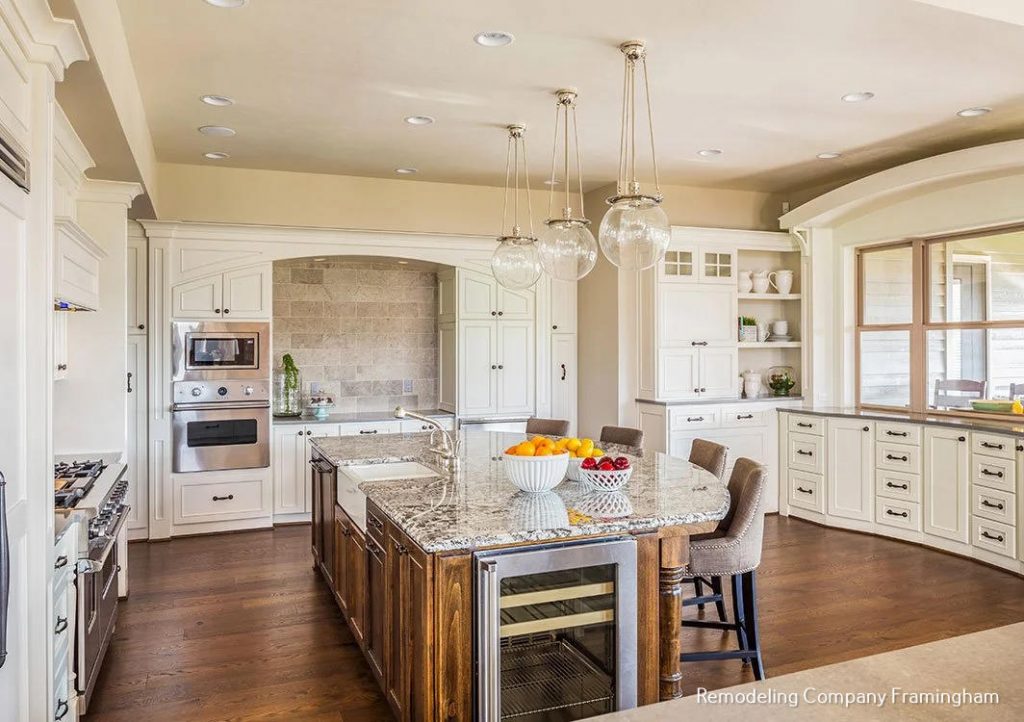
A common question homeowners ask before starting a renovation is, how long does a kitchen remodel take. The answer depends on the size of the project, the design choices, material availability, and whether plumbing, electrical, or structural updates are involved. In most cases, the full process can take anywhere from a few weeks for construction to a few months when planning, ordering materials, and finishing details are included. Knowing what affects the timeline can help you plan better, avoid surprises, and keep your kitchen remodel moving as smoothly as possible.
Planning and Design Stage
Each kitchen renovation begins with preparation and planning, which typically requires one to four weeks based on how rapidly selections are made. Around this time, the homeowners pick on the kitchen design, cabinetry style, countertops, backsplash, carpeting, decoration, and the appliances. When you currently know what you prefer, organizing is easier. If you are continuing to investigate ideas or choosing custom products, it might take more time.
Ordering Materials Stage
After the planning comes the purchase stage, which can significantly affect the time frame. Some items ship quickly, but custom cabinets, counters, and specific tiles may require two to eight weeks to be manufactured and delivered. Building may not begin after the essential ingredients are on-site. Beginning too early without supplies can halt the undertaking. Early purchasing helps keep the construction on track and makes the rest of the procedure proceed effortlessly.
Demolition Stage
Demolition is the process of removing the old kitchen and usually takes three to seven days. Employees take out cabinets, counters, sinks, flooring, and kitchen appliances. Occasionally, unforeseen problems, like mold, water damage, old wiring, or uneven floors, are identified. Correcting these issues adds additional time but is vital for security and long-term longevity. A skilled contractor guarantees that demolition and any needed maintenance are done correctly, readying the area for the next stage of construction.
Plumbing and Electrical Stage
Following demolition, heating and electrical work will start. This stage typically takes one to three weeks based on the quantity of work needed. Simple updates take less time, but moving sinks, adding lights, upgrading electricity systems, or shifting appliances can extend the schedule. Plumbing and electrical work often requires city inspections, which can sometimes lead to small delays.
Installation Stage
Installation is the longest stage of a kitchen remodel, taking three to six weeks. Cabinet installation usually takes several days and must be precise so cabinets are level. Countertops, especially stone options like granite or quartz, are measured and installed after cabinets, which can take one to three weeks depending on the supplier. Flooring is installed either before or after cabinets, depending on the type, with tile floors taking longer than laminate or vinyl. Finally, backsplashes are added, appliances are fitted, sinks are connected, and adjustments are made. Because each step depends on the previous one, this stage requires careful timing.
Finishing Touches Stage
The last stage typically takes three to seven days and involves coloring walls, putting in cupboard handles, …
Do You Need a Permit for a Kitchen Remodel in Newton, MA? (2026 Guide)
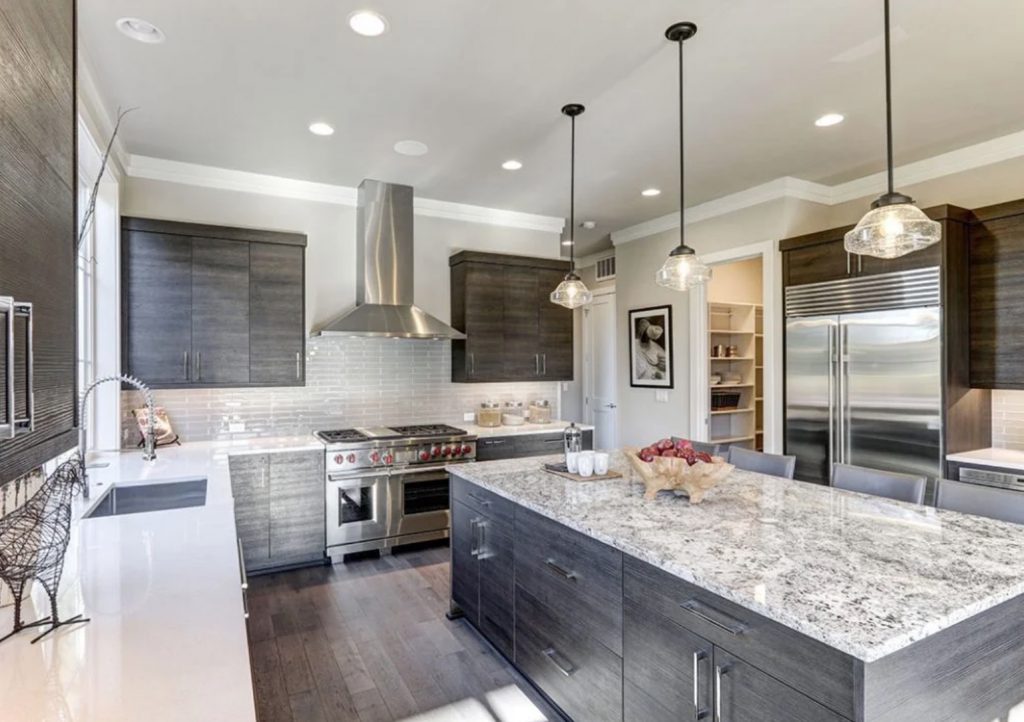
A kitchen remodel is one of the most valuable upgrades you can make to your home—boosting both functionality and resale value. But before you start tearing out cabinets or installing new fixtures, one important question comes up:
👉 Do you need a permit for a kitchen remodel in Newton, MA?
The answer depends on the scope of your project. In many cases, permits are required—especially when the remodel involves plumbing, electrical, or structural changes. In this guide, we’ll break down exactly when you need a permit, how to get one, and how to avoid costly mistakes.
When Do You Need a Permit for a Kitchen Remodel?
In Newton, Massachusetts, permits are typically required if your kitchen remodel involves any major system changes or structural work.
You WILL need a permit if your project includes:
- Moving or removing walls
- Changing the layout of your kitchen
- Installing new plumbing (sinks, dishwashers, gas lines)
- Upgrading or adding electrical wiring (new outlets, lighting)
- Installing ventilation systems (range hoods, exhaust ducts)
- Structural modifications
👉 These types of renovations fall under building, plumbing, or electrical permits, which must be approved before work begins.
When You DON’T Need a Permit
Not every kitchen upgrade requires approval. Minor cosmetic changes usually don’t need permits.
You typically DON’T need a permit for:
- Replacing cabinets (same layout)
- Installing countertops
- Painting walls
- Replacing flooring (non-structural)
- Swapping appliances (without modifying connections)
⚠️ However, rules can vary slightly depending on your exact location and project scope, so it’s always best to confirm with your local building department.
Types of Kitchen Remodeling Permits in Newton, MA
Depending on your project, you may need one or more of the following:
1. Building Permit
Required for:
- Structural changes
- Wall removal or additions
- Layout modifications
2. Electrical Permit
Required for:
- Adding or relocating outlets
- Installing new lighting systems
- Upgrading electrical panels
3. Plumbing Permit
Required for:
- Moving sinks or dishwashers
- Installing new water lines
- Gas line modifications
4. Mechanical Permit
Required for:
- Installing ventilation systems
- HVAC adjustments related to kitchen work
How to Apply for a Kitchen Remodel Permit in Newton
Applying for a permit is straightforward if you’re prepared.
Step-by-step process:
- Prepare your plans
- Existing layout
- Proposed design
- Measurements and details
- Existing layout
- Submit application
- Through Newton’s Inspectional Services Department
- Through Newton’s Inspectional Services Department
- Pay permit fees
- Based on project scope and value
- Based on project scope and value
- Wait for approval
- Can take a few days to a few weeks
- Can take a few days to a few weeks
- Schedule inspections
- Required at different stages of the project
- Required at different stages of the project
👉 Working with a professional contractor can speed up this process significantly.
How Much Does a Kitchen Permit Cost in Massachusetts?
Permit costs vary depending on the size and complexity of your remodel.
Typical ranges:
- Small projects: $100 – $500
- Medium remodels: $500 – $1,500
- Major renovations: $1,500+
👉 In Newton, fees are usually calculated based on total project value.
What Happens If You Skip a Permit?
Skipping permits might seem like a shortcut—but it can create serious problems:
- Fines and penalties
- Forced removal of completed work
- Issues when selling your home
- Insurance complications
- Safety
