Choosing the right roof for a commercial building is rarely a simple decision. It often begins with uncertainty, questions, and the pressure to make a choice that will last for decades.
Imagine a property owner standing outside their building after noticing early signs of roof wear. Small leaks have started to appear. Maintenance costs are rising. The question becomes unavoidable: Which of the many commercial roofing types is actually right for this property?
This situation is more common than most people think. And the answer is never one-size-fits-all.
The Moment When Roofing Decisions Become Critical
Every commercial property eventually reaches a point where repairs are no longer enough. At that stage, understanding commercial roofing types becomes essential.
A warehouse owner, for example, may prioritize durability and low maintenance. A retail center may focus on energy efficiency and appearance. An office building might require a balance of performance and long-term value.
Without the right knowledge, choosing among commercial roofing types can lead to costly mistakes, premature damage, leaks, or higher operational costs.
That’s why a thoughtful, informed approach always matters.
Understanding How Commercial Roofing Types Affect Performance
Not all roofs are built the same. The differences between commercial roofing types directly impact how a building performs over time.
Several factors influence the right choice:
- Structural design and load capacity
- Climate and weather exposure
- Energy efficiency requirements
- Maintenance expectations
- Compliance and insurance standards
A roofing system that works well for one property may fail in another setting. This is why comparing commercial roofing types carefully is the first step toward protecting your investment.
A Closer Look at Common Commercial Roofing Types
When property owners start exploring options, they often encounter a few widely used commercial roofing types. Each has its own strengths and best-use scenarios.
Flat and Low-Slope Roofing Systems
Flat roofs are among the most common commercial roofing types, especially for large buildings.
They offer:
- Cost-effective installation
- Easy access for maintenance
- Space for HVAC systems
However, proper drainage is critical to avoid water buildup.
Membrane Roofing Systems
Single-ply membrane systems are widely used across many industries. These commercial roofing types are known for their flexibility and resistance to environmental stress.
Benefits include:
- Lightweight materials
- Simple maintenance
- Strong waterproofing performance
They are often a practical solution for large surface areas.
Built-Up Roofing (BUR)
Built-up systems are traditional commercial roofing types made of multiple protective layers.
They provide:
- Strong durability
- Good resistance to wear
- Reliable waterproofing
These roofs are often chosen for long-term stability.
Metal Commercial Roofing
Metal systems have become increasingly popular among modern commercial roofing types.
They offer:
- Long lifespan
- High durability
- Resistance to extreme weather
For industrial and commercial structures, metal roofing is often seen as a long-term investment.
Why Inspection Comes Before Choosing
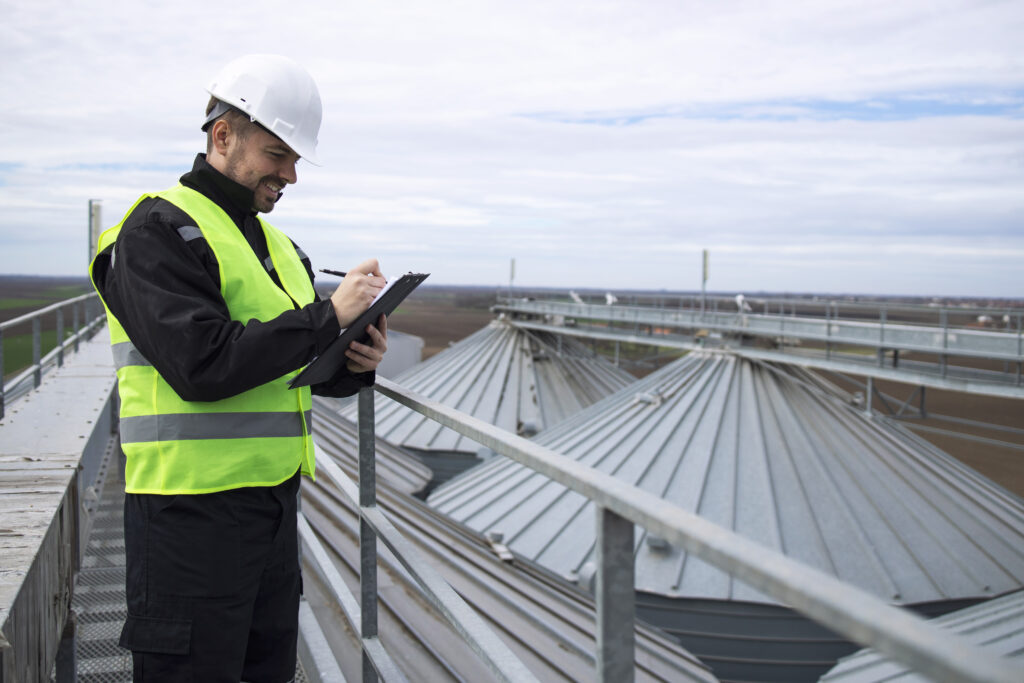
Before selecting any of the available commercial roofing types, a thorough inspection is essential.
A proper evaluation helps identify:
- Structural limitations
- Existing damage
- Drainage issues
- Hidden risks
Skipping this step can lead to selecting the wrong system, even if the material itself is high quality.
Understanding the building first ensures the chosen commercial roofing types will actually perform as expected.
Installation Is Where Quality Matters Most
Even the best commercial roofing types can fail if installed incorrectly.
Proper installation ensures:
- Long-term durability
- Resistance to leaks
- Compliance with building standards
- Reduced need for future repairs
Attention to detail during installation is what separates a short-term fix from a lasting solution.
Maintenance: The Key to Longevity
Every roofing system requires care. Different commercial roofing types have different maintenance needs, but all benefit from regular inspection.
Preventive maintenance helps:
- Extend the life of the roof
- Catch small issues early
- Reduce unexpected costs
For systems like flat and membrane roofs, maintenance is especially important, as minor damage can spread quickly.
Minimizing Disruption During Roofing Work
One of the biggest concerns for business owners is disruption. Roofing projects can interfere with daily operations if not managed carefully.
Planning is essential when working with commercial roofing types. A structured approach ensures:
- Work stays on schedule
- Safety is maintained
- Business operations continue smoothly
A well-managed project protects both the building and the business inside it.
Why Knowledge of Commercial Roofing Types Matters
Many problems in commercial roofing come down to poor decisions early in the process.
Choosing the wrong material or ignoring building requirements can lead to:
- Frequent repairs
- Energy loss
- Water damage
- Compliance issues
Understanding commercial roofing types helps avoid these risks and ensures the roof supports the building for years to come.
A Practical Approach to Better Roofing Decisions
The best roofing decisions are based on facts, not assumptions.
A reliable process includes:
- Careful inspection
- Clear understanding of building needs
- Honest evaluation of options
- Proper installation and follow-up care
When all these elements come together, the selected commercial roofing types deliver real, long-term value.
Conclusion: Making the Right Choice for Your Property
Every commercial building has its own story, and its roofing system should match its needs.
Choosing among different commercial roofing types is not just about materials; it’s about performance, safety, and long-term reliability.
If you’re planning a new roof or evaluating your current system, getting professional guidance can make all the difference. For expert inspection, honest recommendations, and dependable results, contact Exponential Construction Corp. today and make your next roofing decision with confidence.
FAQs
Q1: What are the most common commercial roofing types?
Ans: The most common commercial roofing types include flat and low-slope systems, membrane roofing, built-up roofing, and metal roofing.
Q2: How do I choose the right commercial roofing type?
Ans: Choosing the right option depends on your building’s structure, climate exposure, budget, and maintenance expectations.
Q3: Do different buildings require different commercial roofing types?
Ans: Yes, warehouses, offices, retail centers, and industrial facilities often require different commercial roofing based on their specific needs.
Q4: How long do commercial roofing typically last?
Ans: The lifespan varies, but with proper installation and maintenance, many commercial roofing can last several decades.
Q5: Why is professional guidance important for commercial roofing ?
Ans: Professional evaluation ensures the chosen system meets structural, safety, and performance requirements, reducing long-term risks.
